Look Back at IDMS with Global Philadelphia

Alongside cities across the world, Philadelphia celebrated International Day for Monuments and Sites (IDMS) on April 18th by partnering with local organizations and sites that showcase the historical and cultural heritage of our city. From museums to historic neighborhoods, locations around our city hosted visitors for tours and information sessions for one of GPA’s favorite days of the year.
Over 40 years ago, the International Council on Monuments and Sites (ICOMOS) established IDMS to promote preservation of physical markers of heritage. The celebration is not only about the existence of these sites, but a testament to the impact they have had on communities and history. They are not just old structures, but living archives of culture and changes brought about by different generations.
Woodford Mansion
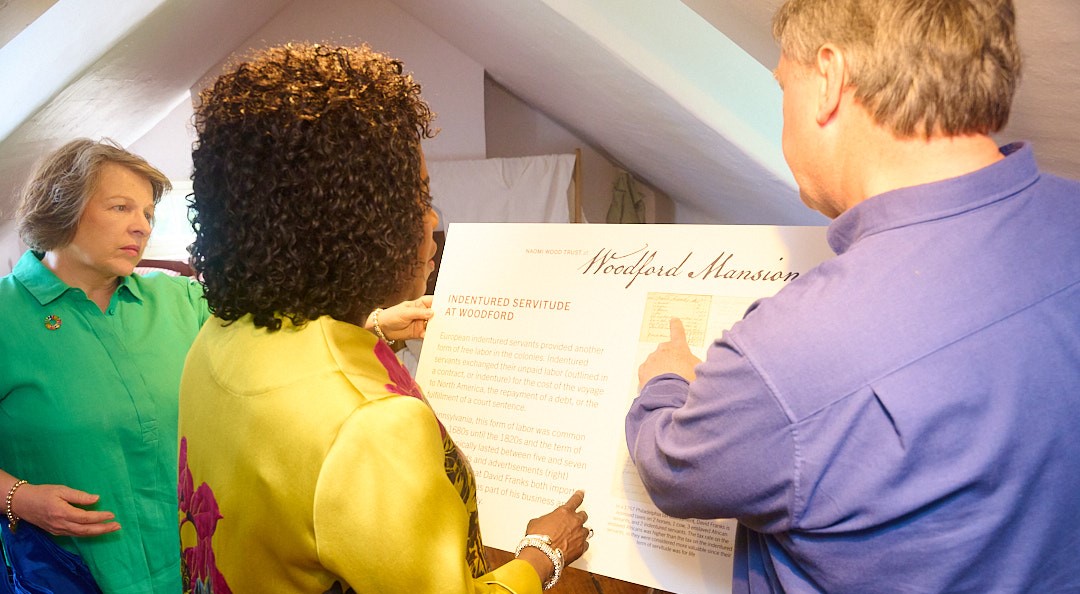
Historic horticulturist Anna Davis led guided tours and a lecture at Woodford Mansion’s grounds to recognize the official launch of the site’s new project to recreate its colonial garden. The historic building in Fairmount Park sits on 12 acres of land and was home to William Coleman, a Quaker merchant and active contributor to many projects organized by Benjamin Franklin. The colonial garden will revitalize the landscape and offer opportunity for further insight into the time period.
Visitors, including Mayor Cherelle Parker, also toured the mansion, including its quarters for the enslaved people that lived there. The experience invited reflection on the beauty and progress of the colonial time period, as well as the inequalities and social disparities that persisted.
Founder’s Hall at Girard College
During IDMS, the grounds of Girard College were alive with the energy of the city. Once built on the outskirts of Philadelphia, the college campus has now been encompassed by urban sprawl and is integrated into the surrounding neighborhood. Within Founder’s Hall and its museum, visitors learned about the life of Stephen Girard, who established the college through his will in the name of providing educational opportunities to lower-income and orphaned students, as well as the architecture of the campus and the development of the college over those 178 years.
Thomas U. Walter, who also designed the U.S. Capitol dome, modeled Founder’s Hall in the Greek Revival style as a monument to philanthropy and to create a worthy educational environment. Through the Founder’s Hall Museum and participation in city-wide events like IDMS, Girard College continues to emphasize the importance of accessible, equitable education and the spirit of philanthropic work in our city.
Independence Seaport Museum
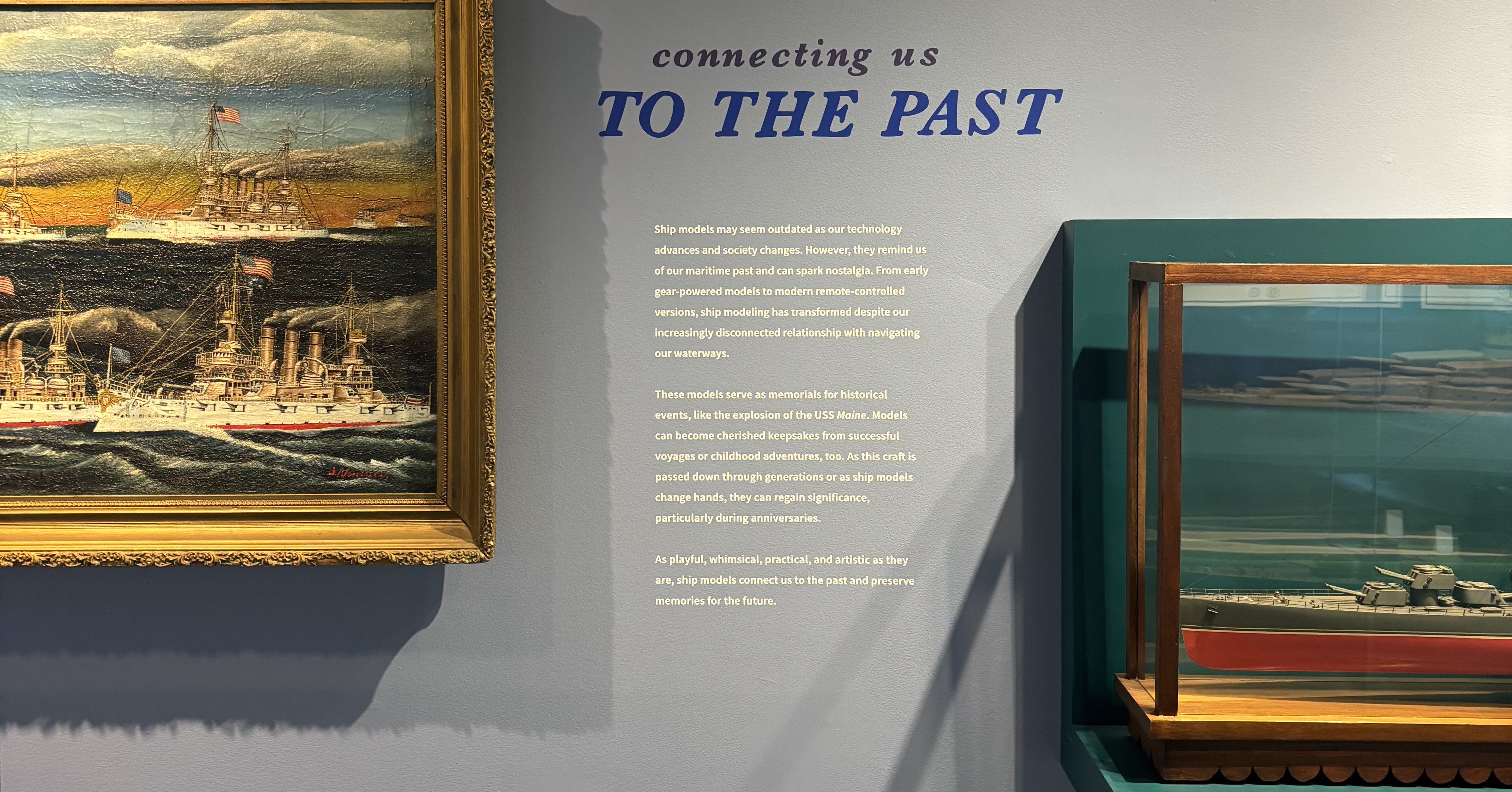
For immersive experiences pertaining to the Philadelphia region’s biodiversity, trade history, and all things water, the Independence Seaport Museum is a perfect spot to learn. Located along the Delaware River on Penn’s Landing, the museum invites visitors to appreciate intricate ship models, learn the origins of economic relationships and trade routes, and visualize the water cycle and water ecosystems.
Philadelphia’s port has connected our city to the global economy for centuries, kickstarting international relationships that now span across sectors. Balancing recognition of this success with education on water ecology, Independence Seaport emphasizes the need for sustainable management and conservation of the Delaware and Schuylkill Rivers in order to preserve their ecosystems and utility for centuries to come.
Laurel Hill’s Spring Wildflower Walk
Laurel Hill Cemetery hosted a spring wildflower nature walk for visitors to experience the landscape of the National Historic Landmark. The tour highlighted the beauty of the centuries-old garden as well as the methods of maintaining the park, which spans 265 acres. A historic cemetery with thousands of gravesites, Laurel Hill is also a vital natural ecosystem, home to hundreds of plant species and integral to biodiversity, contributing to air purification and offering a green space in the city.
Eastern State Penitentiary
Visitors took the self-guided audio tour at the Eastern State Penitentiary to step back in time and see how prisoners lived in the world's first penitentiary that introduced radical reform philosophies. The tour takes individuals down different corridors to observe the old cells and learn about the jarring practices used throughout the history of the institution. Now closed for more than 50 years, the Eastern State Penitentiary is a physical indication of the need to continue addressing the flaws in our justice system through policy and social conceptions.
Reading Terminal Trainshed
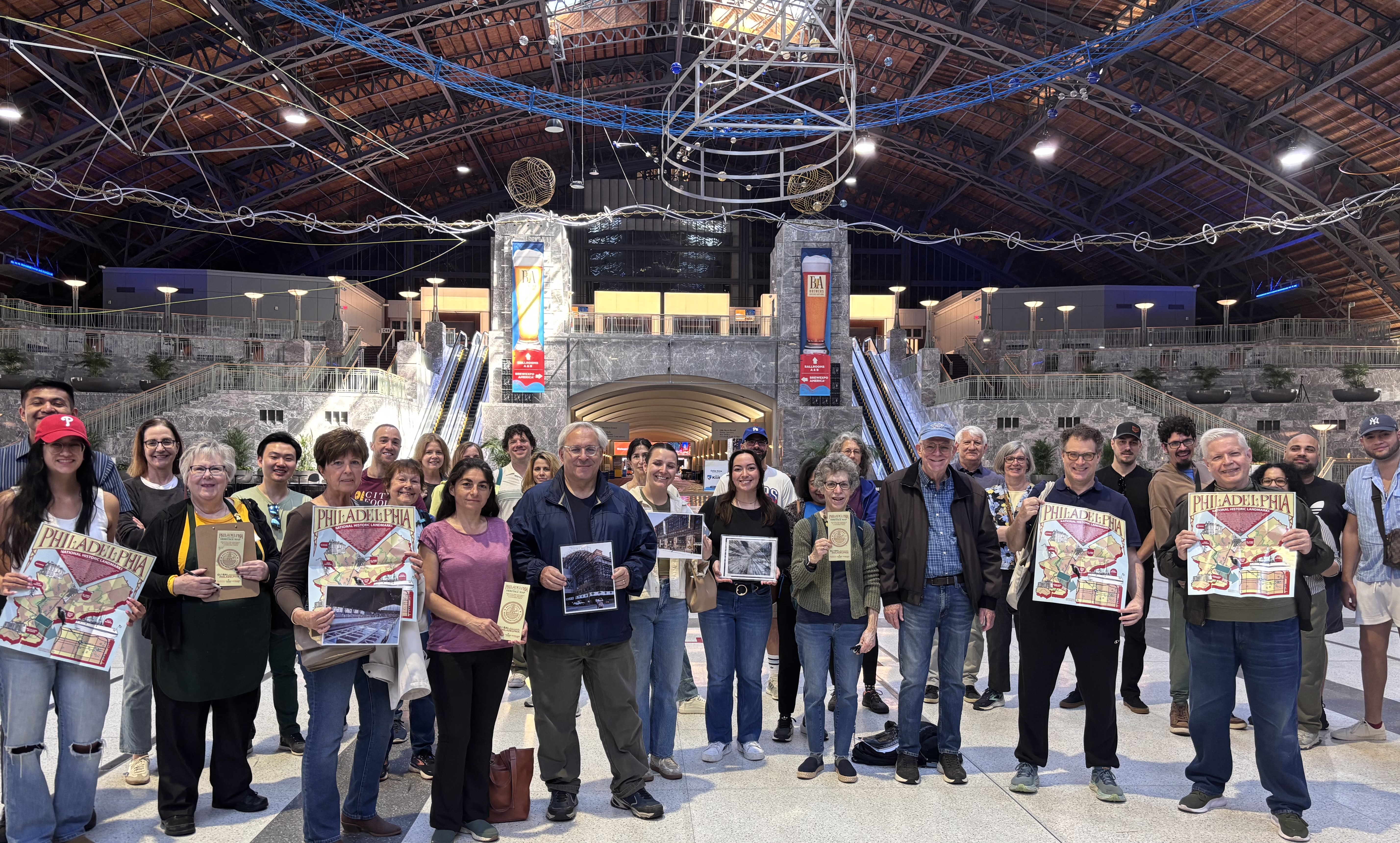
In the Market East section of Center City, the Pennsylvania Convention Center invites thousands of visitors every year for conferences and expositions. What these visitors may not know is that right above the Convention Center’s Grand Hall sits the Reading Terminal Trainshed. For IDMS, groups were offered tours and descriptions as to how the train station had operated as an amazing feat of engineering and urban design.
The group tour guide, Nan Gutterman, FAIA, FAPT, was an architect who worked on the renovation of the Convention Center from 1989 to 1994 and offered her personal insights into how the site had evolved. The Trainshed was a testament to the city’s railway and architectural history, and a resource that allowed visitors to come from across the country. Today, the Convention Center plays a similar role and brings people into our city, promoting business and exposure to the locality.
Mother Bethel AME Church
A pillar in Philadelphia’s African American and church communities, Mother Bethel Church opened its doors for discussions and tours of its church and museum to honor its founding and history. The IDMS events offered tributes to the teachings of Martin Luther King Jr., reflections on the civil rights movement, and an analysis of our country’s state then and now.
A panel discussion featured Rev. Ike Miller and speakers from Freedom Side School, who emphasized the need to protect freedoms and the moral responsibility for upholding democracy and opposing fascism and bigotry. Revisiting history through the lens of this community offered the opportunity to remember how relevant these topics continue to be today and the need for institutions, whether churches, schools, nonprofits, or local governments, to stand up for equality and justice.
Arch Street
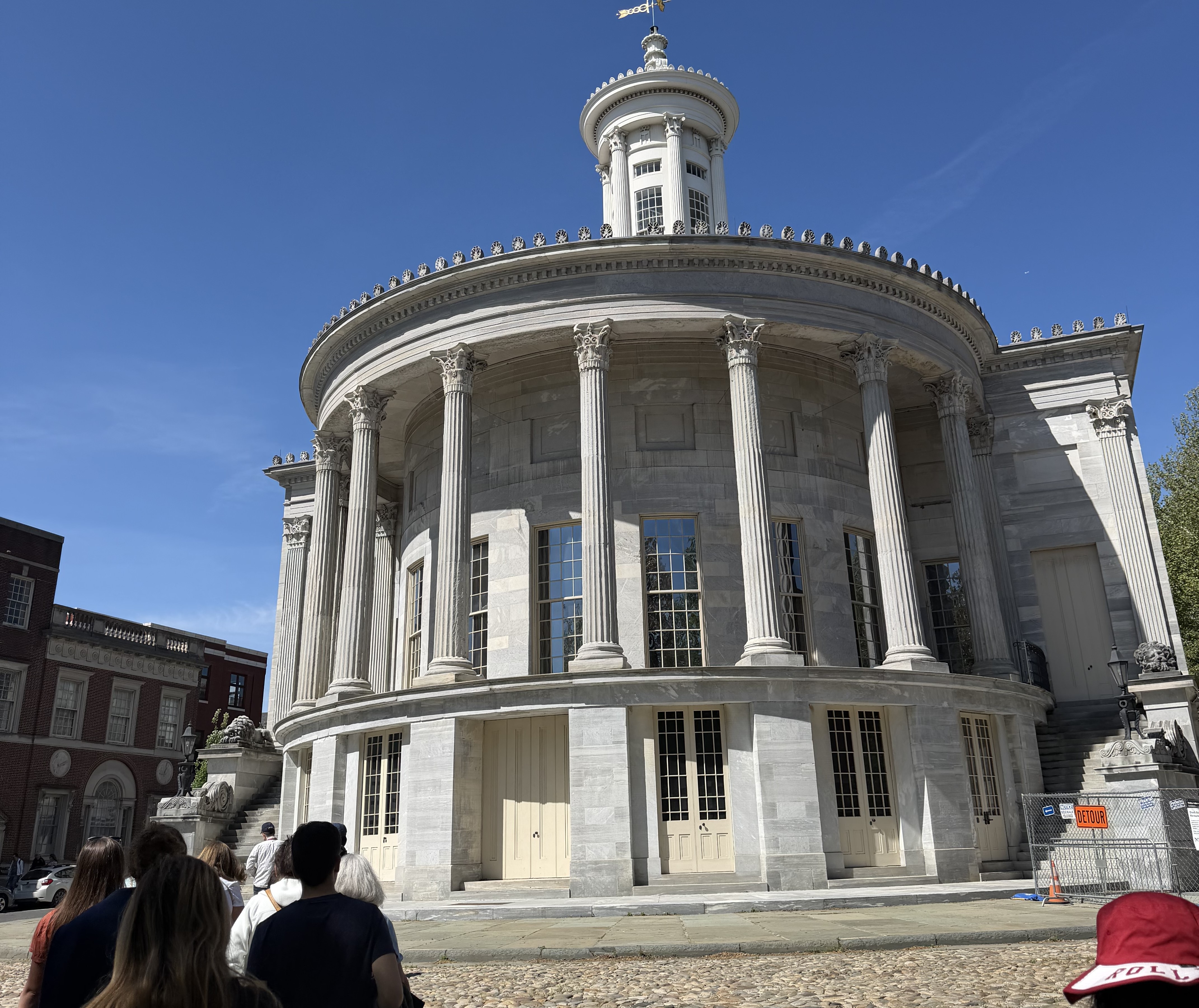
The Merchants’ Exchange Building
Arch Street in Old City has witnessed the establishment and development of early America, human rights movements, and momentous occasions throughout our city and country’s history. The Arch Street Meeting House, the largest Quaker meeting house in the city, served as the starting site for a tour through nearby historical sites, including Independence Hall, the Constitution Center, the First Bank, Carpenter's Hall, the Betsy Ross House, the Merchants’ Exchange Building, and others.
The tour told the story of the “Quaker City,” from its role in the abolition and women’s rights movements to the notable moments in history that contributed to Philadelphia’s cultural landscape today, like the presentation of the Centennial Bell for America’s 100th anniversary. Quaker figures like William Penn, Susan B. Anthony, and Betsy Ross integrated their values into the identity of Philadelphia, forming a community devoted to neighborly love, social justice concern, and inclusivity, which the Arch Street Meeting House continues to foster today.
Elfreths Alley
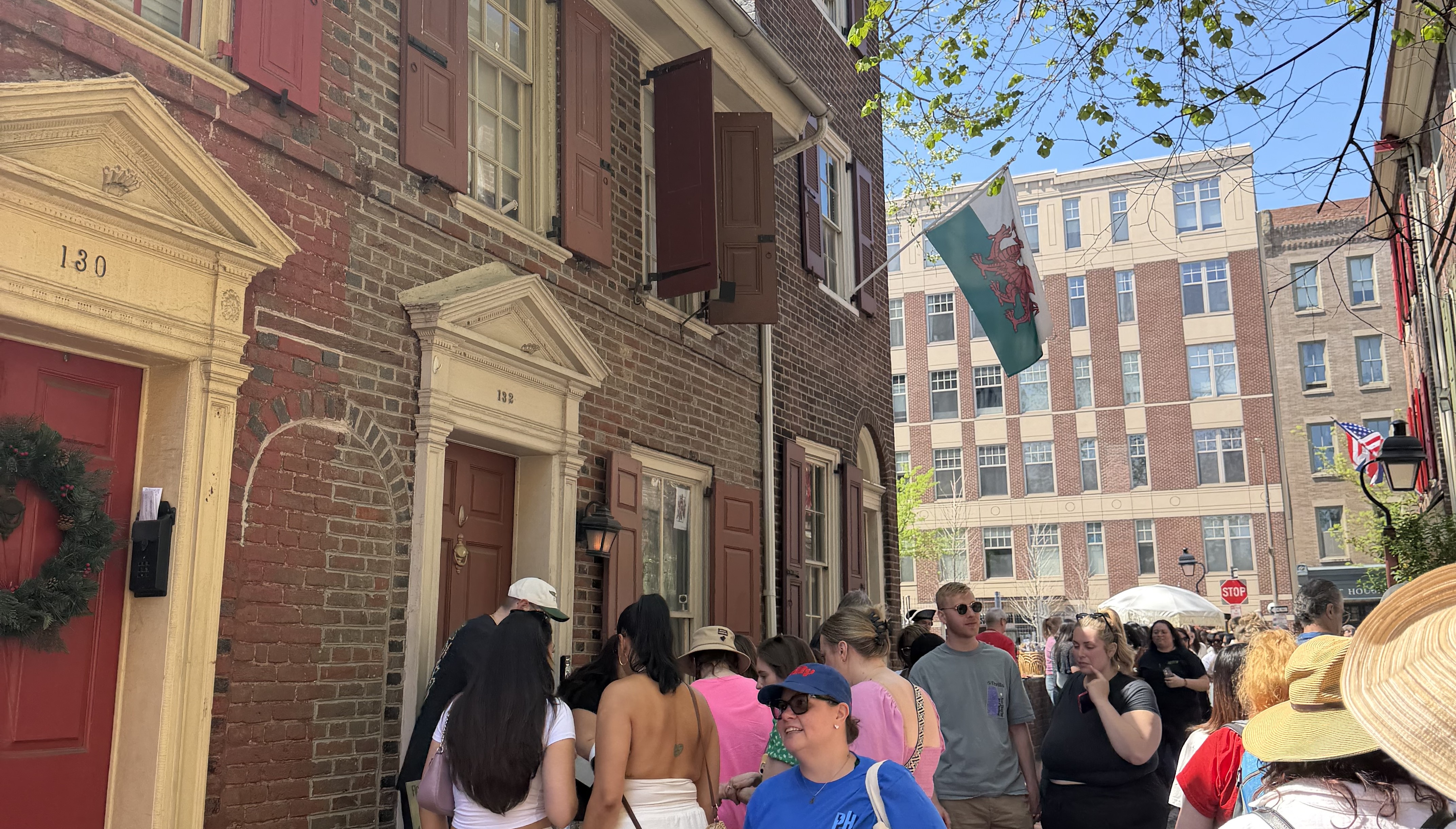
Neighbors and visitors strolled down Elfreth’s Alley Historic District enjoying the sights of historic houses and local vendors selling handmade art and colloquial Philadelphia merchandise. The buildings have been continuously occupied since Pennsylvania was a colony, housing generations of Philadelphians, most of whom were tradespeople.
The Elfreth’s Alley Association has safeguarded the story of this small street in Old City by turning two houses into a museum that describes the 300 years of history that have taken place there. Elfreth’s Alley invites recognition of the artisans and working-class citizens that contributed to the culture and beauty of Philadelphia, while also highlighting today’s local small-business owners in its market.
Fairmount Water Works
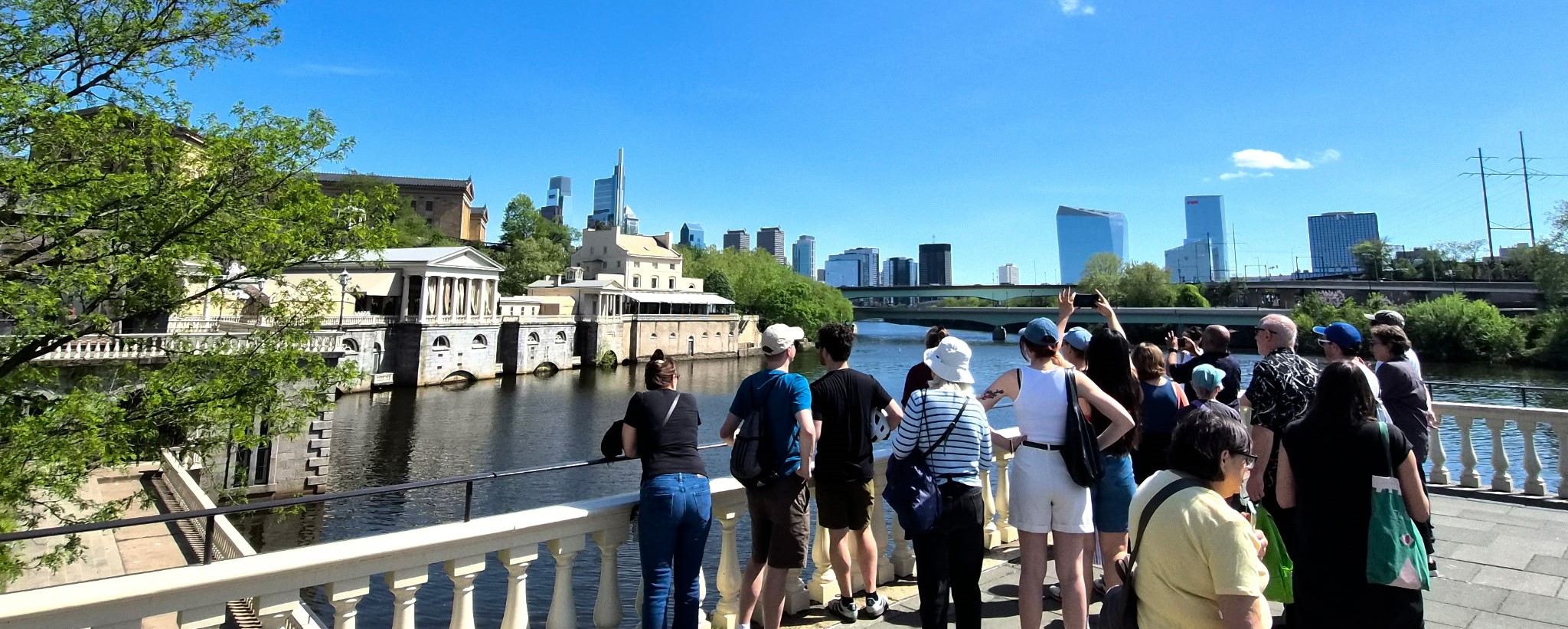
The Cultural Heritage Tour with the Fairmount Water Works Interpretive Center showcased the development of the National Historical Landmark through the centuries by displaying rare images of the site during its 20th century rehabilitation. The development of the Water Works over the centuries indicated the city’s responses to the changing needs of its population, from public health crises to increased drinking water disbursement.
Through presentations and immersive museum displays, the Interpretive Center highlighted the engineering marvels and adaptive strategies that addressed the city’s needs, as well as the ongoing issues of climate change and infrastructure preservation. As Fairmount Water Works has sat along the Schuylkill, its functions have changed, but its architectural beauty and cultural significance to Philadelphia remain.
Stenton
2026 not only marks America’s semiquincentennial, but also the anniversary of Dinah’s freedom from slavery. Once an enslaved woman at Stenton, Dinah earned her freedom and later protected the historic landmark from being burned during the Revolution.
The third annual Dinah Day coincided with IDMS and included tours of Stenton, crafts, community healing, reflection at the Dinah Memorial, and the premier of the short film “For the Common Good: Women Who Shaped our Nation - Dinah.” Stenton, a preserved example of 18th-century architecture, was not only the home to the prominent Logan family, but also to Dinah and those enslaved alongside her. Telling her story at this site recognized her efforts in its preservation and the importance of her freedom and heroism in the history of Philadelphia and our country.
