World Heritage Sites in Seoul, South Korea: Where Dynasty Meets Heritage

When I visited Seoul this winter, I expected to see impressive palaces and historic gates set against a modern skyline. What I did not expect was how seamlessly those spaces would coexist. Seoul is often defined by its rapid development, advanced technology sector, and global cultural influence. Yet within minutes of entering its historic districts, it becomes clear that the city’s foundations are far older and more intentional than its contemporary image suggests. The World Heritage Sites in Seoul are not isolated monuments preserved behind barriers. They exist within neighborhoods, along active transit routes, and in the middle of daily routines.
Experiencing these sites firsthand shifted my understanding of what preservation looks like in practice. I visited Changdeokgung Palace, Jongmyo Shrine, and the Royal Tombs of the Joseon Dynasty, all UNESCO World Heritage Sites, over several days. Each site represents a different dimension of the Joseon Dynasty—governance, ritual, and remembrance—yet together they form a cohesive narrative about how power and memory were structured. Spending time in these spaces required a different pace. In a city widely associated with speed and efficiency, the palace grounds and shrine courtyards create deliberate stillness. That contrast was not accidental; it reflects the philosophical foundations of the dynasty itself.
Changdeokgung: Governance Shaped by Philosophy
Changdeokgung Palace was built in the early 15th century during the Joseon Dynasty, a period that lasted more than five centuries and shaped Korea’s political and cultural identity. Unlike royal complexes designed to assert dominance through rigid symmetry, Changdeokgung adapts to its natural surroundings.
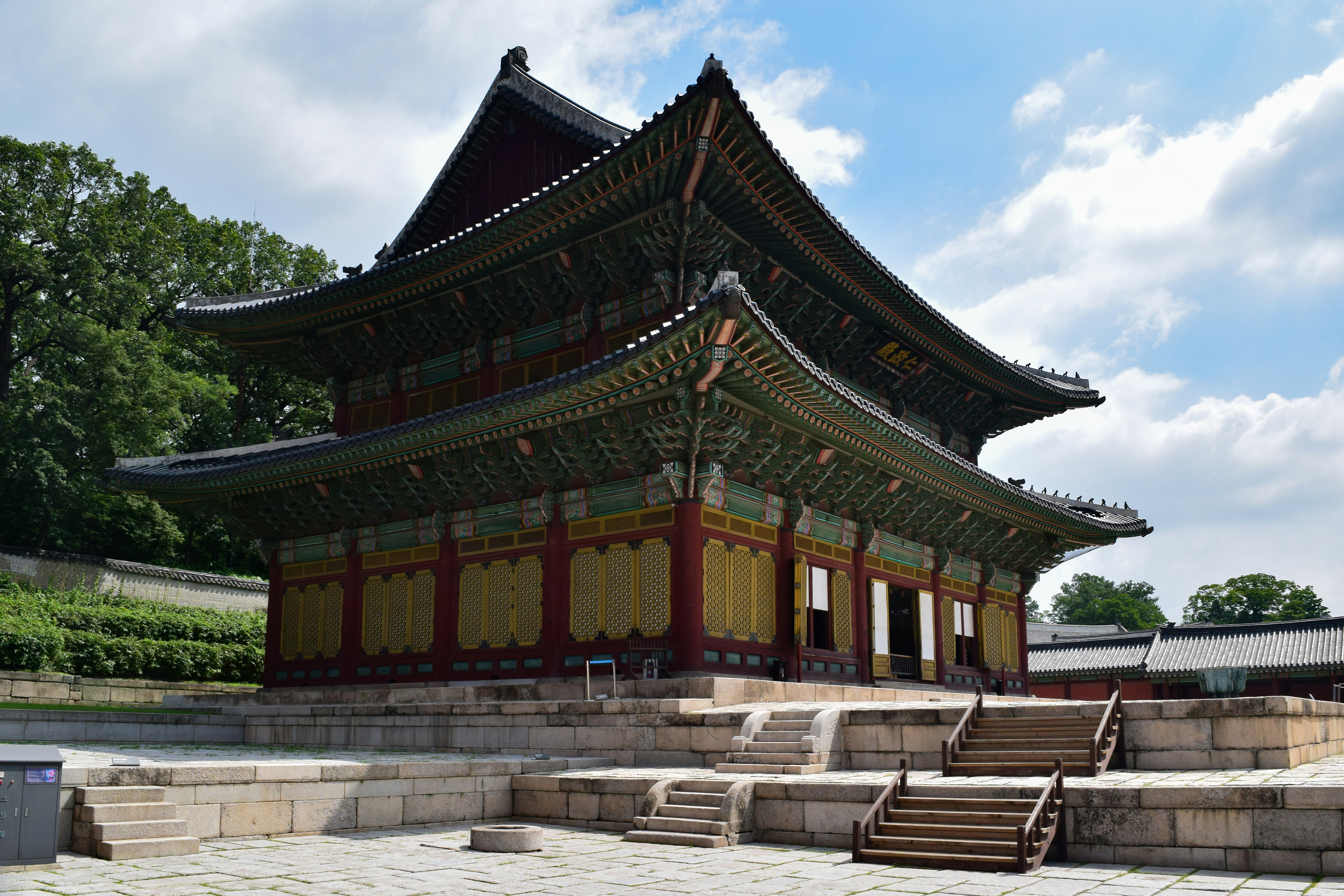
Learning about the palace’s design deepened my appreciation for it. Joseon governance was grounded in Neo-Confucian principles, which emphasized hierarchy, discipline, ethical conduct, and moral cultivation. Those values are visible in the spatial organization of the palace. Administrative halls, residential quarters, and ceremonial spaces are arranged precisely according to rank and function. Movement through the complex reflects political order.
Standing inside Injeongjeon, the main throne hall, I tried to imagine the ceremonies that once defined the space. Foreign envoys were received there. Royal proclamations were delivered from its elevated platform. Political authority was communicated through architecture as much as through speech. Yet the building’s power comes from proportion and placement rather than excessive ornamentation. The structure projects restraint, reinforcing the Confucian ideal that leadership should be disciplined and principled rather than ostentatious.
During the Joseon Dynasty, rulers were judged by their ability to uphold Confucian virtues such as order, hierarchy, and moral integrity. Governance was structured around clearly defined roles and ritual conduct. The throne hall’s symmetry and controlled scale reinforce that structure. The elevated platform establishes rank without excess, signaling that authority rested on hierarchy and responsibility rather than display. Power was formal and visible, but it operated within strict ethical and procedural boundaries.
This connection between authority and discipline extends beyond the throne hall. What stayed with me most was how the palace integrates governance with reflection. The Secret Garden, or Huwon, was not merely a leisure retreat. It functioned as a place for study, contemplation, and intellectual cultivation. Its presence within the palace grounds underscores that self-regulation was considered essential to effective rule.
Jongmyo Shrine: Ritual and National Continuity
If Changdeokgung represents administration, Jongmyo Shrine represents continuity. Established in 1394, Jongmyo houses the memorial tablets of Joseon kings and queens and remains one of the oldest preserved Confucian royal shrines in the world.
Architecturally, the shrine is striking for its austerity. The main hall extends horizontally across a vast courtyard with clean lines and minimal decoration. The design directs focus toward ritual. The emptiness of the courtyard heightens awareness of ceremony and movement.
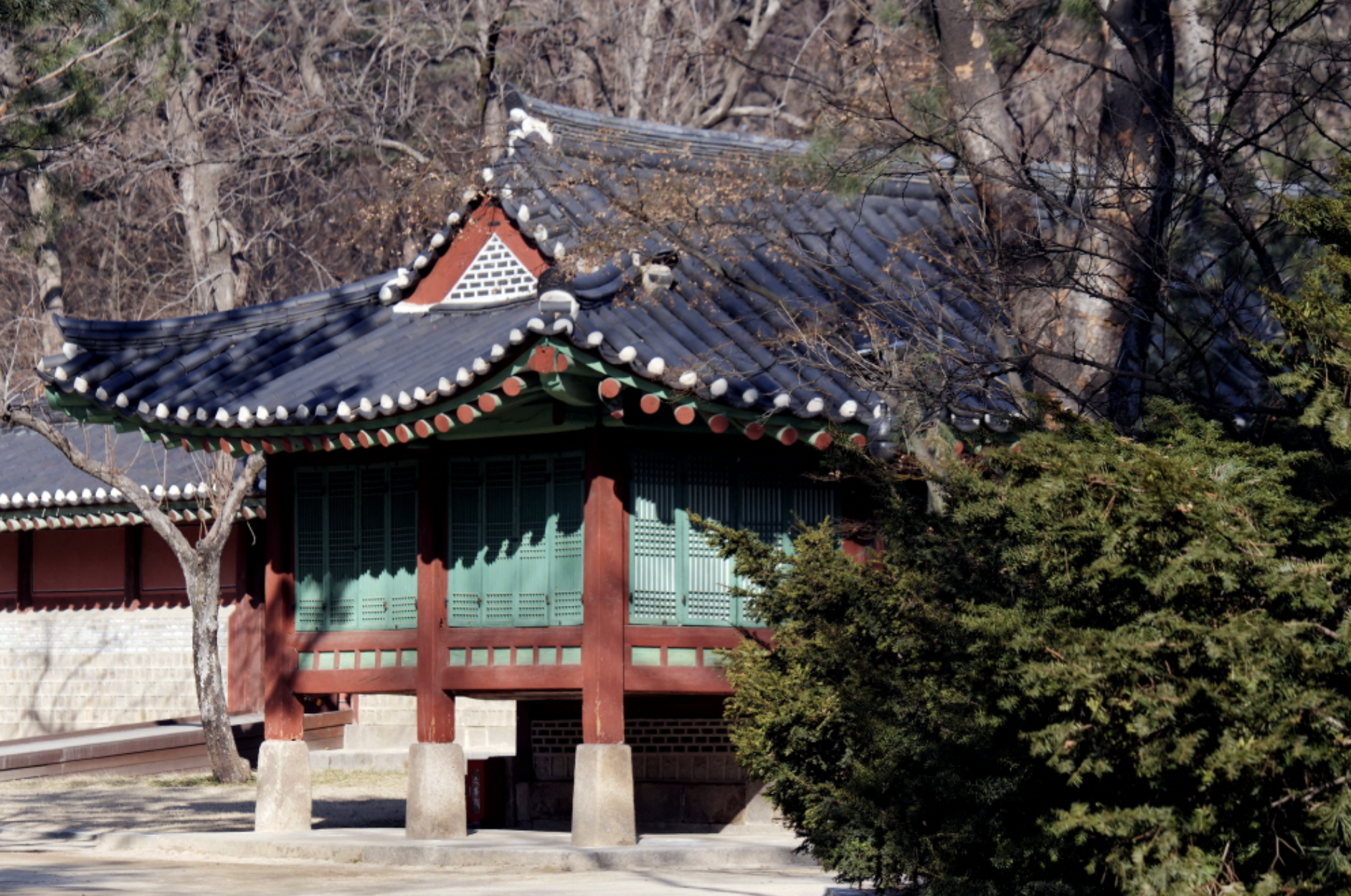
The annual Jongmyo Jerye ritual, accompanied by traditional court music and dance, is still performed today. The shrine is not preserved solely as a historical artifact; it remains embedded in cultural practice. The rituals carried out there establish a direct link between contemporary Korea and its dynastic past.
Reflecting on this, I began to think more critically about what allows traditions to endure. Legal protection and UNESCO recognition matter, but they are not sufficient on their own. Preservation without participation risks turning heritage into spectacle. Jongmyo continues to hold meaning because it is practiced and internalized, not merely displayed. That distinction is central to broader conversations about global heritage management. Cultural sites remain relevant when communities recognize them as part of their ongoing identity.
The Royal Tombs: Landscape as Memory
The Royal Tombs of the Joseon Dynasty extend the story beyond palace walls. The forty tombs scattered around the greater Seoul region were constructed according to geomantic principles known as pungsu-jiri, similar to feng shui. Mountains protect the rear of each site, while open land and waterways provide balance and symbolic vitality.
Visually, the tombs are restrained. Grassy burial mounds rise gradually from the earth. Stone statues of scholars, military officials, and guardian animals stand in quiet formation. Surrounding forests are preserved as part of the sacred landscape. The design emphasizes harmony between human intention and natural geography.
These sites were constructed with patience and the expectation of permanence.
Moving Forward Without Erasure
Seoul’s transformation over the past century has been dramatic. Following the devastation of the Korean War, the city rebuilt at remarkable speed and emerged as a global economic and cultural center. Amid that change, these World Heritage Sites remain visible anchors.
This existing balance between past and present is the result of deliberate policy decisions, sustained public investment, and a broader societal commitment to maintaining continuity. Modernization in Seoul did not require erasing visible connections to intellectual and political origins. Instead, heritage operates as a structural component of national identity.
Seoul demonstrated how a city can move forward while maintaining visible connections to its intellectual and political origins. The experience reshaped how I think about preservation. Rather than treating heritage as static, I began to understand it as something functional: capable of informing governance, shaping identity, and reinforcing collective memory within a rapidly changing society.
Cover photo credits: Creator: 신사강 Credit: YNA Copyright: <저작권자 ⓒ 1980-2022 ㈜연합뉴스. 무단 전재 재배포 금지.>

