World Heritage Sites in Austria Highlight Music, Architecture, and Natural Landscapes


Studying abroad in Vienna, I did not expect to stumble upon as many Austrian World Heritage Sites during my travels as I did. Without making a point to discover landmarks of heritage in Austria, it is likely you will simply find them in the cities and streets you walk through.
Austria has 12 World Heritage Sites. I visited 7 of them. There are links to movies, preservation of the past, mixing of cultures, and notable influence and connections to music. In Salzburg, you can see the birthplace of Mozart and simultaneously visit familiar scenes from the famous Sound of Music. In Hallstatt, you feel transported to Disney's Arendelle, from the film Frozen. Vienna offers more odes to music, with its world famous theaters, concert houses, and enchanting palaces. In the city of Graz, we see beautiful, historic architecture. And finally in the landscape of the Wachau region, you see picturesque hills and wineries that further highlight the culture of Austria.
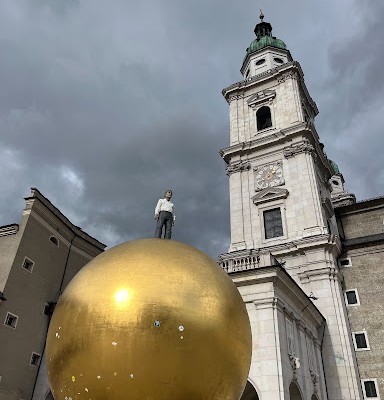
Salzburg, one of the largest and oldest cities in Austria, is surrounded by a rich history of music and the exchange of different cultures. The Historic Centre of the City of Salzburg was inscribed as a World Heritage Site in 1996 and includes highlights like the Salzach River, medieval Baroque style buildings, Mozart's Birth house, and the Hohensalzburg Fortress, overlooking the old city. Salzburg is a unique example of a European ecclesiastical city-state and the intersection between German and Italian cultures, which has resulted “in a flowering of the two cultures and a long-lasting exchange between them.”
A newer landmark makes for a memorable site as it stands within the historic center of the city. The Sphaera - Golden Ball, created by Stephan Balkenhol, was unveiled in 2007 and depicts a large, golden sphere with a male figure standing on top. This sculpture represents the connection between “tradition and modernity that makes Salzburg so unique.”
Hallstatt-Dachstein / Salzkammergut Cultural Landscape was inscribed in 1997. Hallstatt, a town in Austria located around a 2 hour train ride from Salzburg, sits within a beautiful alpine landscape and has prospered through its salt mining industry. The salt deposits were exploited as early as the 2nd millennium BC. Walking around the town you can see that it has stood the test of time and maintains its original scenery. However the town was rebuilt in 1750, in a late baroque style, after suffering a fire that burned down the timber buildings.
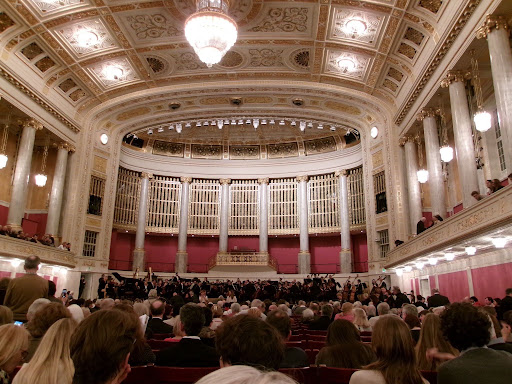
The Historic Centre of Vienna, inscribed in 2001, is known as the “World Capital of Music.” It has multiple music and theater houses including, the Volksoper (the People’s Opera), the Staatsoper (State Opera), Volkstheater (People’s Theater), Wiener Musikverein (Vienna Concert Hall), and more. Each venue offers a wide range of music and theater options that add to the beautiful diversity of entertainment of Vienna.
The old city is surrounded by exquisitely preserved buildings, it offers a well connected and stunning loop to explore, and with each turn you stumble upon a palace, cathedral or city hall. What makes Vienna so unique, as was stated by UNESCO, is that the architecture shows three key periods of European development, “the Middle Ages, the Baroque period, and the Gruenderzeit.” Living in Vienna, I noticed how the “Stephansdom” seemed to always be in view.
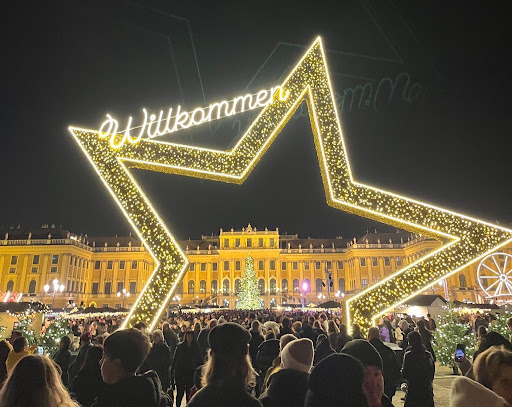
The Palace and Gardens of Schönbrunn was inscribed in 1996 and is celebrating 30 years as a UNESCO World Heritage site in 2026, making it one of the oldest World Heritage Sites in Austria. Schönbrunn Palace acted as the summer residence of the Austrian Imperial Family from the 18th century to 1918. With extensive gardens, including a zoo, there is much to explore at the Palace. The Palace also hosts famous Christmas Markets as well as an Easter Market that offer a variety of vendors with traditional Austrian Cuisine and drinks.
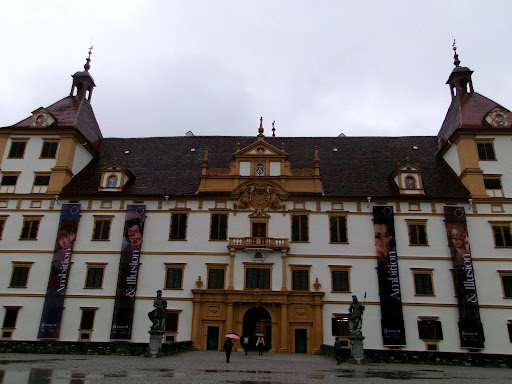
The City of Graz Historic Centre and Schloss Eggenberg, inscribed in 1999, highlight the various architecture styles and artistic movements of Austria. This Eggenberg Palace holds interesting exhibits describing the Habsburg Family and other notable aristocratic families of Austria. I enjoyed an extensive coin collection that shows the circulation of coins in the Styria region of Austria from antiquity to the Baroque era. One can see a similar description and display of monetary history at the Famous Philadelphia Mint.
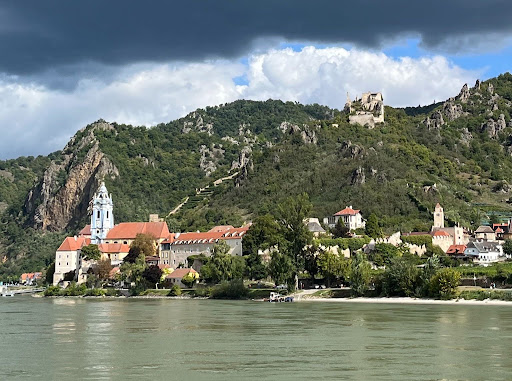
The Wachau Cultural Landscape, inscribed in 2000, portrays the beauty of the River Danube, which flows from Germany, through many countries in Europe, and to the Black Sea. The Wachau region also features stunning hills along which there are many wineries that produce various wines of Austria, including Austria's signature Grüner Veltliner. A tour of one of the wineries or taking a ferry along the Donau are great ways to take in this serene landscape.
These sites are essential to preserving the heritage and history of Austria. Austria’s heritage is central to understanding cultures across Europe as it represents a blend of cultures through uniting factors like music, culinary delights and historic architecture.
