United Arab Emirates: World Heritage, Cultural Investment, and Global Strategy

The UNESCO World Heritage list currently includes two sites in the United Arab Emirates: the Cultural Sites of Al Ain, inscribed in 2011, and the Faya Palaeolandscape, inscribed in 2025. For more than a decade, Al Ain was the country’s only World Heritage Site, and the addition of Faya further expands representation of the UAE’s heritage to the rest of the world.
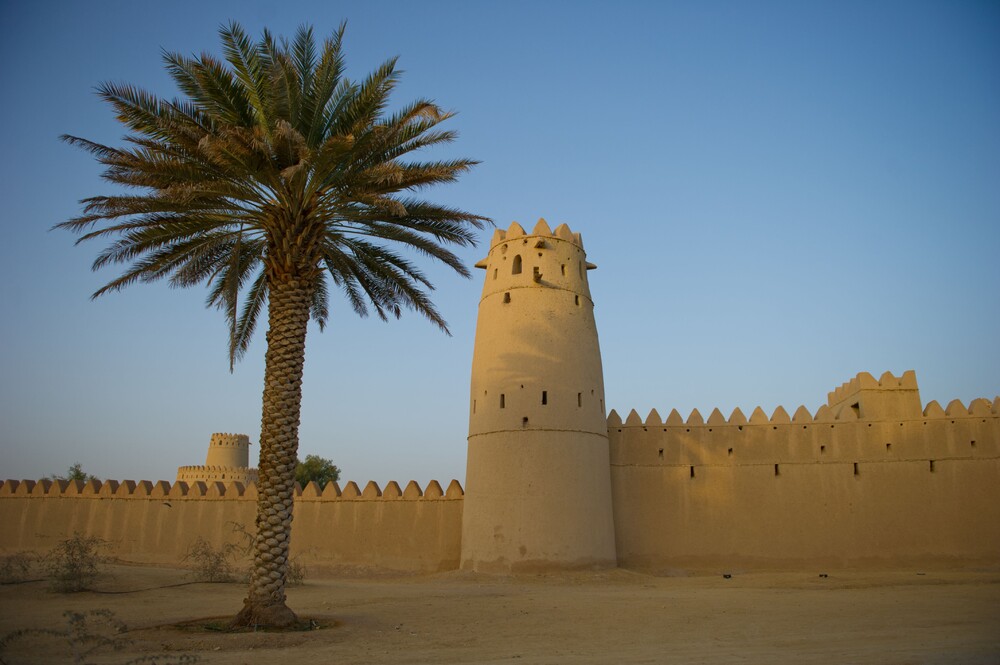
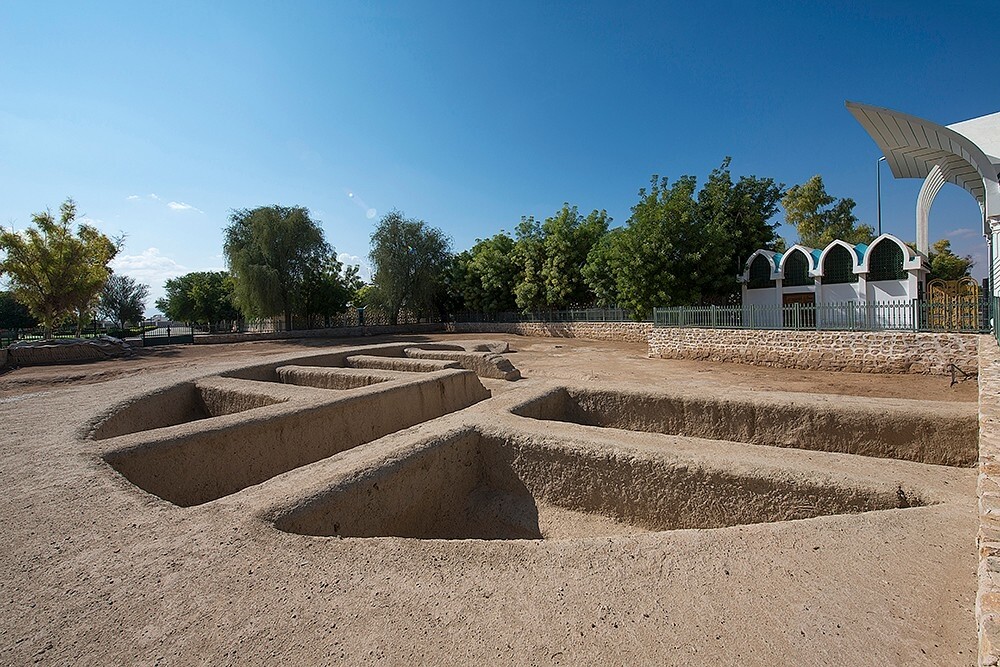
Al Ain is not defined by a single monument but by a connected landscape of oasis systems, archaeological areas, and burial sites that document sustained human settlement over several millennia. Its significance is primarily functional. The falaj irrigation system distributes water through underground channels, allowing agriculture to operate in arid environments with limited resources. This results in a controlled and repeatable method of water management rather than a temporary adaptation.
https://whc.unesco.org/en/list/1343/gallery/
The structure of the oasis reinforces this system, with date palms forming an upper canopy that creates shade for smaller crops below, while water moves through regulated channels. Nearby archaeological areas at Hili and Jebel Hafeet push this history further back into the Bronze Age, where tombs and settlement remains show that organized communities and regional exchange networks existed in the region even before the fully developed oasis-based agricultural system.
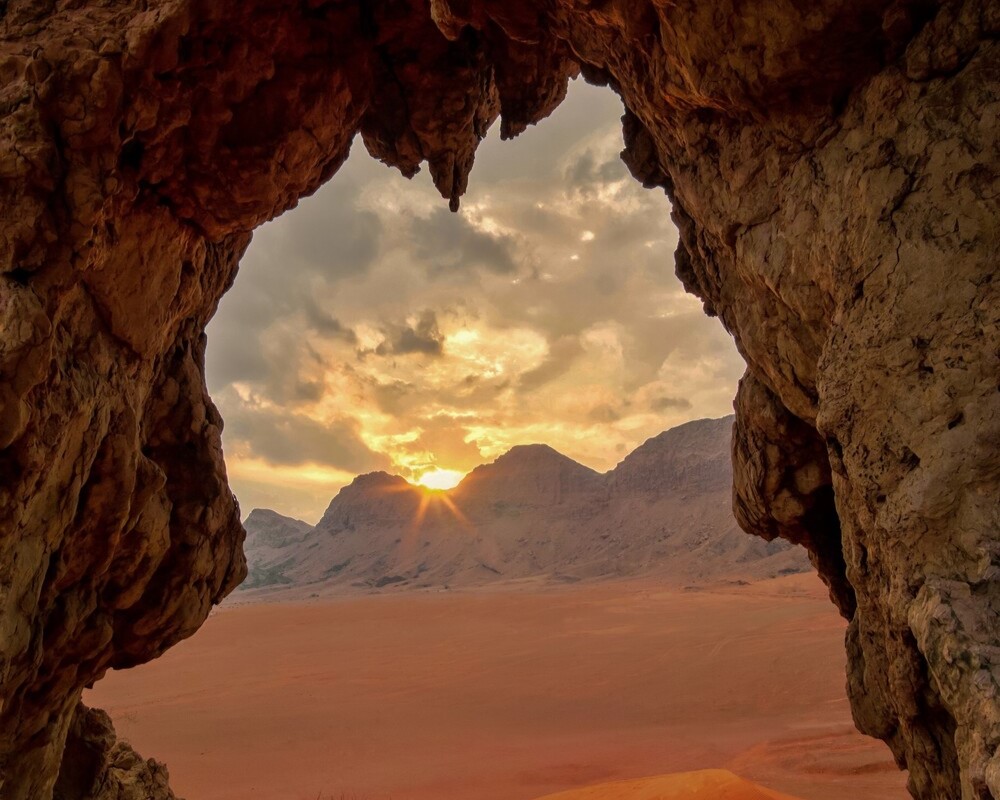
The Faya Palaeolandscape adds a different dimension. Located in the emirate of Sharjah, the site contains stone tools and environmental evidence linked to early human movement across the Arabian Peninsula. Its 2025 inscription expands the narrative beyond sustained settlement, showing how populations moved through changing environments over much longer timeframes.
https://whc.unesco.org/en/list/1735/gallery/
Heritage, Policy, and Cultural Positioning
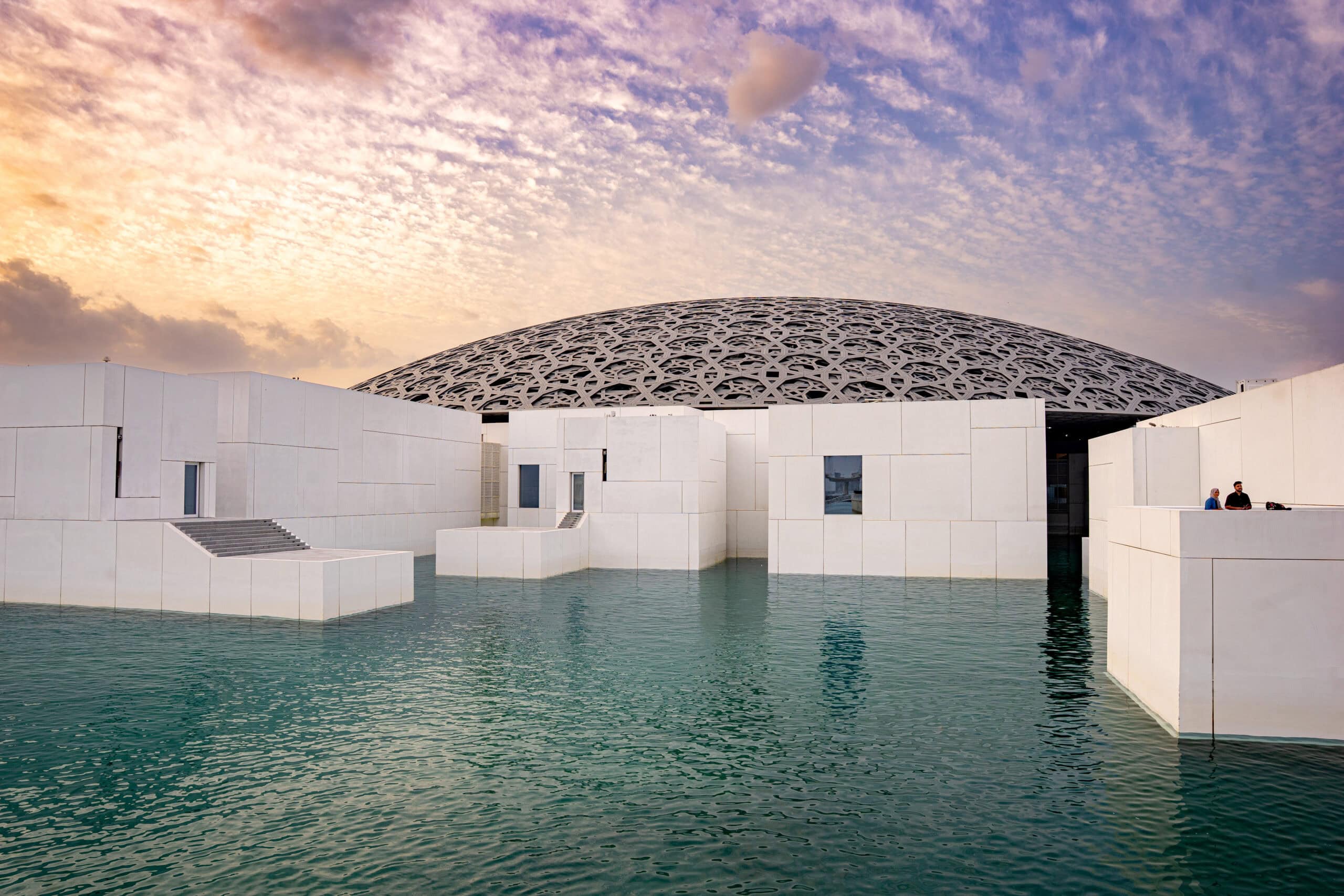
The UAE takes a coordinated and institutional approach to conservation of its World Heritage Sites and has also expanded its cultural sector through institutions such as the Louvre Abu Dhabi. Beyond being a museum, the museum serves as a space that hosts international exhibitions and runs educational programs that connect local audiences with global art and history. While distinct from UNESCO designation, projects like this shape how the country presents itself internationally and extends engagement beyond individual heritage sites.
Sites such as Al Ain and Faya establish historical depth, while institutions like the Louvre Abu Dhabi connect the UAE to global cultural networks. In a state formed in 1971, this layered approach broadens how national identity is presented, linking deep history with more recent cultural investment.
https://museumofwander.com/louvre-abu-dhabi-tickets-guide/
Technology and Modernization
The UAE’s development strategy includes a defined focus on artificial intelligence, digital infrastructure, and long-term planning. In 2017, Omar Sultan Al Olama was appointed as Minister of State for Artificial Intelligence, making the UAE one of the first countries to establish a cabinet-level role dedicated to AI policy. This formalized an effort to lead technological governance at a national level.
These priorities are increasingly relevant to heritage management. Technologies such as 3D scanning and geospatial mapping are used to document and monitor sites with greater precision. For example, 3D scanning can create detailed models of archaeological sites, while mapping tools help track environmental changes and urban expansion around heritage areas. In environments where climate conditions and urban growth create long-term risks, these tools support preservation in practical ways.
Modernization continues at a visible scale across the country, but heritage areas are incorporated into the same planning systems rather than treated separately. This allows development and preservation to coincide within a shared framework, with defined boundaries and management strategies.
https://whc.unesco.org/en/list/1343/gallery/&maxrows=24
Heritage, Technology, and Diplomacy
The UAE is part of a wider international system of heritage preservation through its involvement with UNESCO. This means working within shared standards, contributing to reporting processes, and staying aligned with how other countries manage and protect their sites. While World Heritage status brings visibility, it also comes with the responsibility of ongoing coordination and long-term care.
The inclusion of sites such as Al Ain and Faya places the UAE within a broader network of countries contributing to heritage preservation. This carries diplomatic implications, as recognition creates opportunities for international collaboration in research, conservation, and policy development.
Digital preservation and archaeological analysis are increasingly collaborative across countries, and the UAE’s use of these technologies has expanded its involvement in international discussions. This creates a clearer link between heritage management and the country’s broader role in global technology and policy conversations.
The UAE’s approach to heritage is still developing, operating alongside rapid modernization rather than in opposition to it. The World Heritage Sites of Al Ain and the Faya Palaeolandscape reflect the way the country defines and presents its heritage, from sustained agricultural systems to early human migration. By advocating for the designation of sites like Faya, the UAE signals the significance of these histories and encourages greater recognition of them among both domestic and international audiences.
Sources
UNESCO World Heritage Centre – Cultural Sites of Al Ain: https://whc.unesco.org/en/list/1343/
UNESCO World Heritage Centre – Faya Palaeolandscape: https://whc.unesco.org/en/list/1735/
UAE Government – Artificial Intelligence Strategy: https://u.ae/en/about-the-uae/strategies-initiatives-and-awards/uae-strategy-for-artificial-intelligence
Department of Culture and Tourism – Abu Dhabi: https://dct.gov.ae
Louvre Abu Dhabi: https://www.louvreabudhabi.ae


