Ruth E. Carter Exhibit and Book Showcase Innovation and Representation in Costume Design


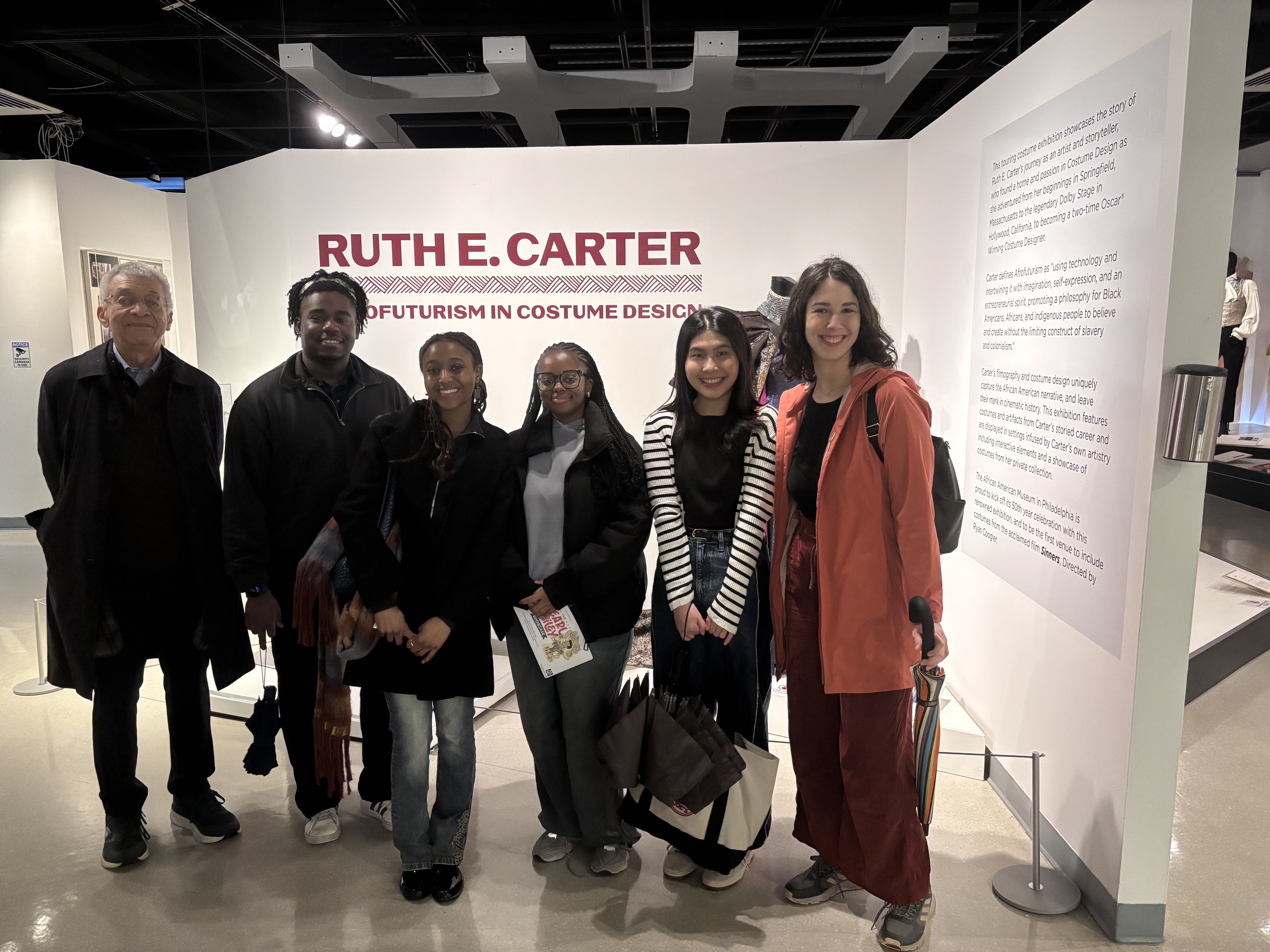
Ruth E. Carter’s “Afrofuturism in Costume Design” is currently on exhibit at the African American Museum in Philadelphia. The exhibition opened in November 2025 and is on display until September 6th, 2026. From the iconic summer styles in Do The Right Thing to the designs blending futuristic innovation with traditional African attire in Black Panther, Ruth Carter has left her mark on the costume-design world and influenced the way cultures are represented in film.
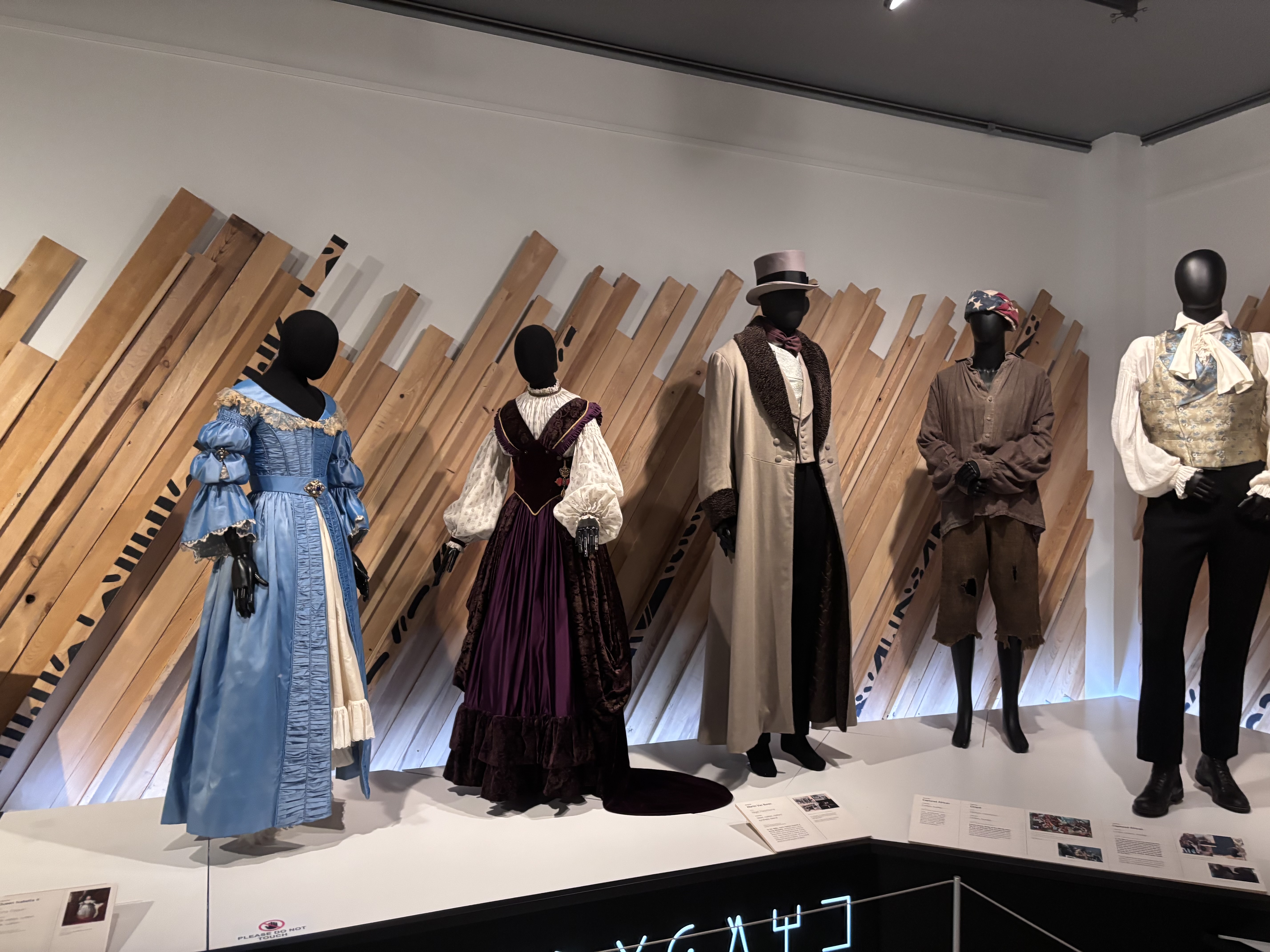
Global Philadelphia had the pleasure of visiting the exhibit to witness the artistic ability of Carter and the depth and scale of her works. Seeing the costumes in person is awe-inspiring and gives visitors a deeper appreciation for Ruth’s design skills because of their intricacy and relevance to the characters they were created for.
There are also opportunities to immerse oneself in Carter’s design process, as the exhibit includes original sketches, personal momentos from her life, and materials used as inspiration behind certain pieces, so you can witness how her designs evolved and came together.
Carter has earned two Oscars for Best Costume Design, the first in 2019 for her work on Black Panther, and the second in 2023 for her designs in its sequel, Black Panther: Wakanda Forever. These achievements resulted in her becoming the first African American woman to win multiple Oscars. Her other recognizable costumes can be seen in Malcolm X, Amistad, Coming 2 America, Do The Right Thing, Selma, Love & Basketball, and so many more.
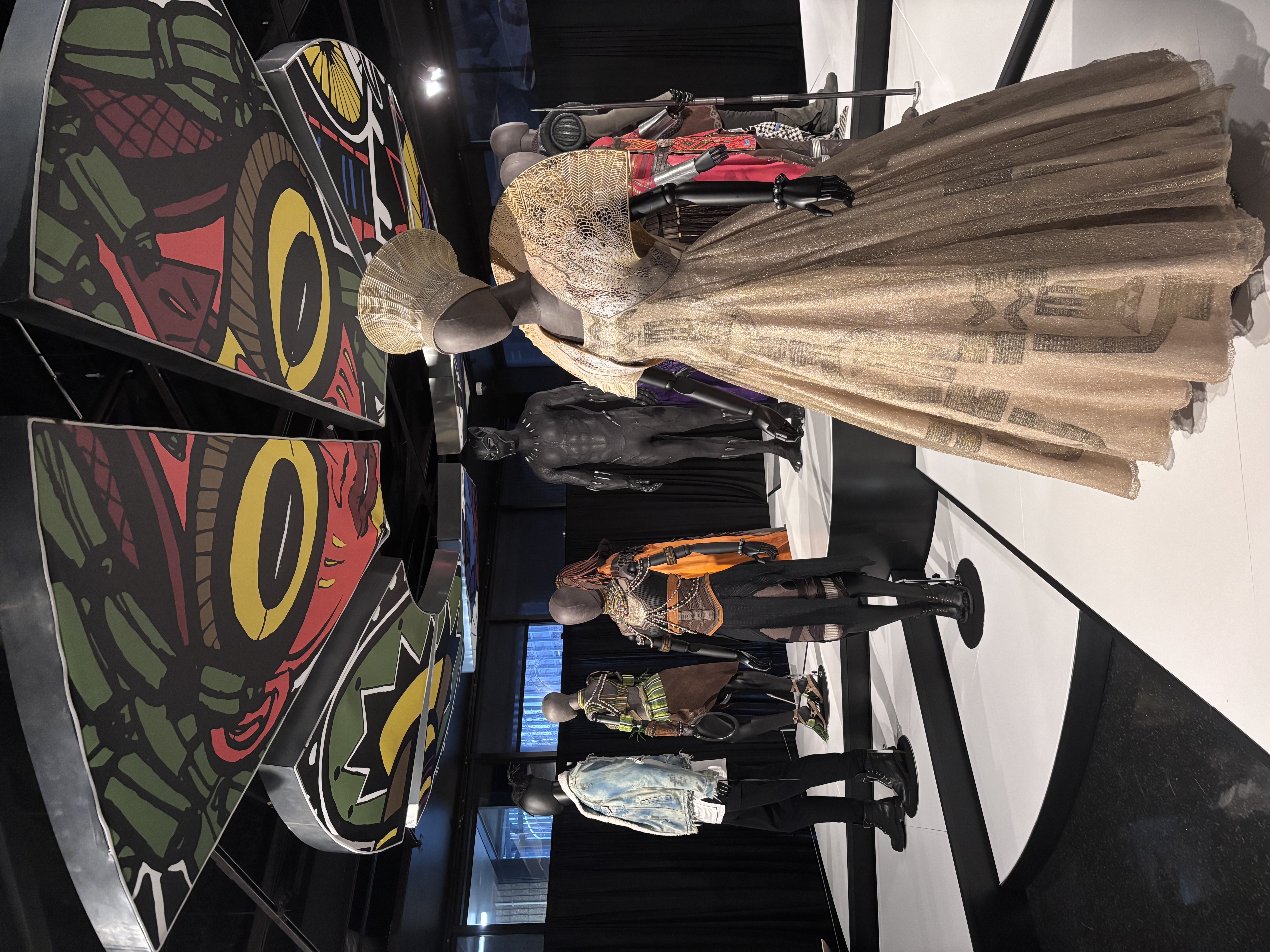
The museum provides the opportunity to learn about the artist’s costumes and the impact they had on film and African American representation. For a chance at deeper discovery into her background and expanded stories behind the costumes, Carter also tells of her journey, inspirations, and processes in her book, The Art of Ruth E. Carter: Costuming Black History and the Afrofuture, From Do The Right Thing to Black Panther.
No extensive knowledge on costume design or art is necessary to appreciate Carter’s stories and art highlighted in this book. It is an honest retelling of her initial love of theater, her development in costume design, and the many obstacles she overcame throughout her career.
Eye-catching snapshots of both Carter and her designs in action provide the visual aspects needed for a synopsis of the artwork, and emphasize just how many recognizable costumes she was behind. Throughout the book, the photos allow readers to witness her progress as an artist and the scale of the recognition she earned as they featured more famous celebrities.
Carter recounted working with many film icons, particularly emphasizing her professional relationship with Spike Lee, who recognized her talent and constantly called on her to work on his developing films. She also dressed and worked with actors such as Eddie Murphy, Angela Bassett, Samuel L. Jackson, and Tina Turner.
Intrigued by African American stories and writing from a young age, Carter’s growth as a designer led her to express the heritage of the Black community through her work. She shared her mother’s background as an educated woman from the South who took the risk to move north for better job opportunities, and how this and so many other stories gave Carter “the courage to take the next step and the courage to face all odds.”
The renowned costume designer recognized the lived Black experiences that spoke to her and to the audiences she had access to, and many of the movies she worked on allowed her to express aspects of Black identities and heritage. She sculpted costumes that would reflect deeper meanings, calling back to African culture, and demonstrating the keen attention to detail, as well as history, that Carter possessed.
Working on period pieces to comedies, Carter was finally led to her most fulfilling genre yet in Afrofuturism. She describes it as a reflection of “Afropunk and African aesthetics mixed with hard science,” having been introduced to the concept when she first interviewed to work on Black Panther, and she felt an affinity to it the more she learned.
“Working as a costume designer on such great films… inspired me to reflect on my entire body of work,” shared Carter. “To see the artistry, the messages in all the costumes that I have designed through the many years, as my contribution to Afrofuturism. I was showcasing a point of view, the African culture and diaspora, and interviewing technology with imagination.”
Carter’s most personal thoughts convey the influence that African culture had on her design styles but also her dedication to representing this heritage to the best of her ability every time she was given the opportunity. Whether visiting the exhibit at the African American Museum in Philadelphia this year or diving into her untraditional memoir-turned-portfolio, audiences can be sure that Carter’s legacy and art will have a lasting impact on African American and film culture.
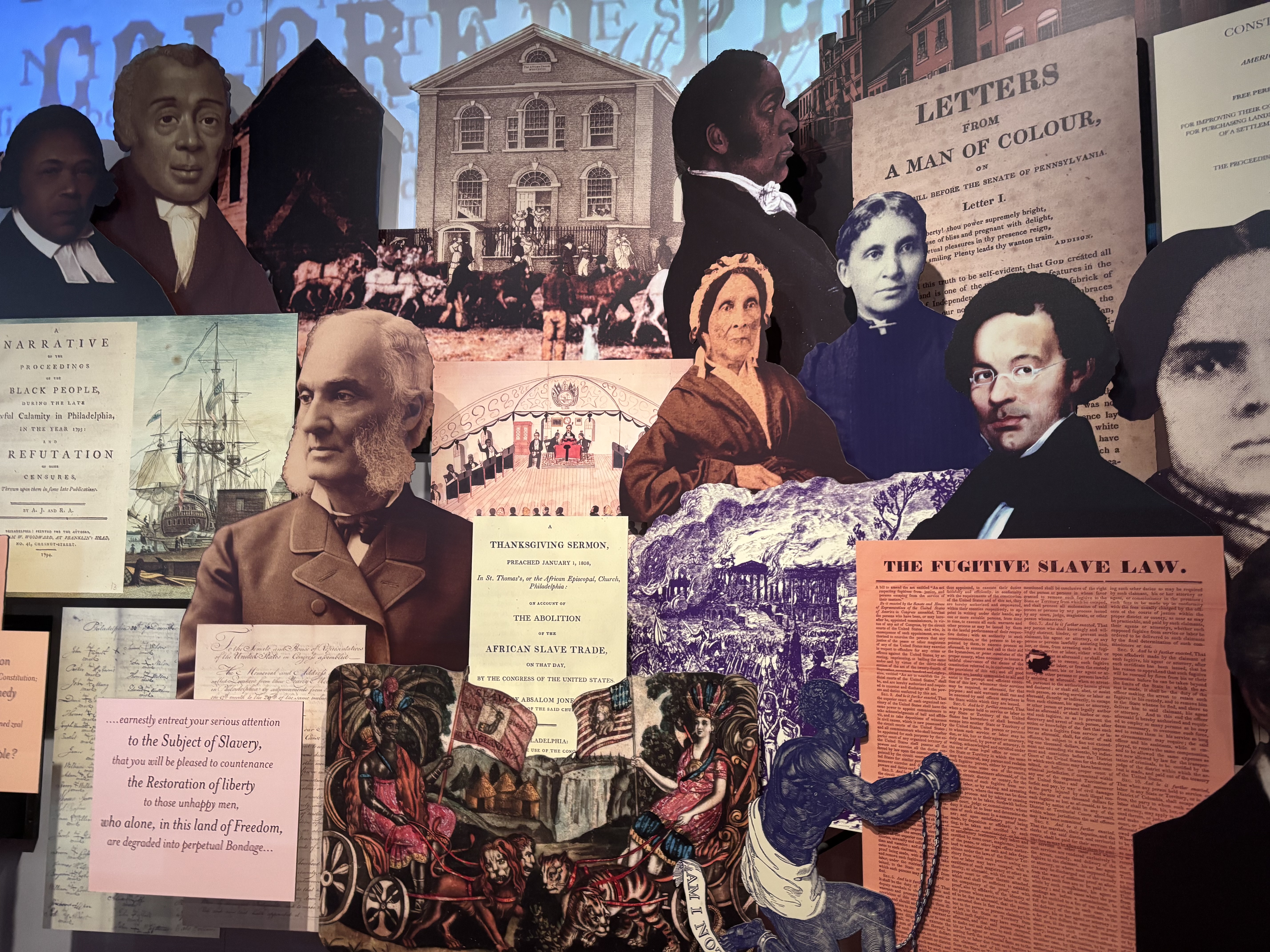
The African American Museum in Philadelphia will celebrate Black History Month during February with special themes and exhibitions recognizing Black experiences and legacies. For more information on upcoming exhibitions and events, visit: https://www.aampmuseum.org/calendar.html.
