Philadelphia and Peru Link Through Cultural Heritage and Love

World Heritage Sites exist all over the world, but few are internationally recognized as a Wonder of the World. EIJP Editor Madi Costigan traveled to Peru and had the amazing opportunity to visit Macchu Picchu, the centuries-old Incan civilization, as well as experience the fascinating histories of Cuzco and Miraflores. With the perspective of a Philadelphian, the culture and sights of Peru emphasized the vast differences that exist between these countries, but also the shared values and devotion to preserving and appreciating the past.
Macchu Picchu
There is nothing quite like travelling up the steep mountain, breaking through the cloudline, and seeing the first of the Macchu Picchu ruins. Nestled between Macchu Picchu and Huayna Picchu, towering mountains with jagged peaks and vibrantly green trees, sit the stone remains from the Incan civilization. Dating as far back as the 1400’s but not discovered until 1911, the mysterious elements of this city make it even more astounding to see.
A young, American explorer, Henry Bingham, was directed to the ruins in 1911 by local villagers during his search for another Incan city, Vilcabamba. After traversing the mountains and finding stone walls covered by forest, Bingham soon realized the enormous importance of the ruins he came across instead, as they were completely untouched after being abandoned by the Incas during the Spanish conquest.
Now, more than 100 years after the rest of the world learned of the city of Macchu Picchu, visitors travel from thousands of miles to marvel at its location and advanced structures. The Incan’s methods of building many of its walls without clay or mortar, mapping the solstices, and the purposes behind its existence and location are just some of the mysteries that remain today, as so much information was lost and culture destroyed after the Incans were conquered by the Spanish. Local guides are a must when visiting, as they are integral in sharing the history that is available and fostering deeper appreciation of the ruins for visitors.
The Historic Sanctuary of Macchu Picchu became a UNESCO World Heritage Site in 1983. Macchu Picchu is a beautiful representation of Peru and the ancient Incan culture, and largely serves as a reminder as to why preserving cultures is so vital to developing understanding across nations and uncovering answers about the past. Philadelphia is lucky to have so much history so closely tracked, guarded, and commemorated, as some history from around the world is more readily highlighted than others, and there are people who struggle to find that same celebration and recognition of their cultures.
It is undoubtedly a privilege to experience the history of other cultures, especially knowing that so many have had to fight to maintain their traditions and share their stories, and so many others have been lost to time. It is the responsibility of a global citizen to recognize this significance, broaden their understanding of the world and its people, and promote the celebration of world heritage and history. These elements can teach us so much about accepting and appreciating the beauty of people, places, and cultures that are different from our own.
Miraflores’ Love Park
Peru has so much other history to share, with 13 World Heritage Sites and signs of its culture ingrained into every street. Miraflores, just a 40-minute bus ride from the Lima airport, has a picturesque landscape where the coast meets the city skyline. Walking the pruned parks and sidewalks atop the steep cliffs overlooking the water, one park in particular would catch the eye of any Philadelphian.
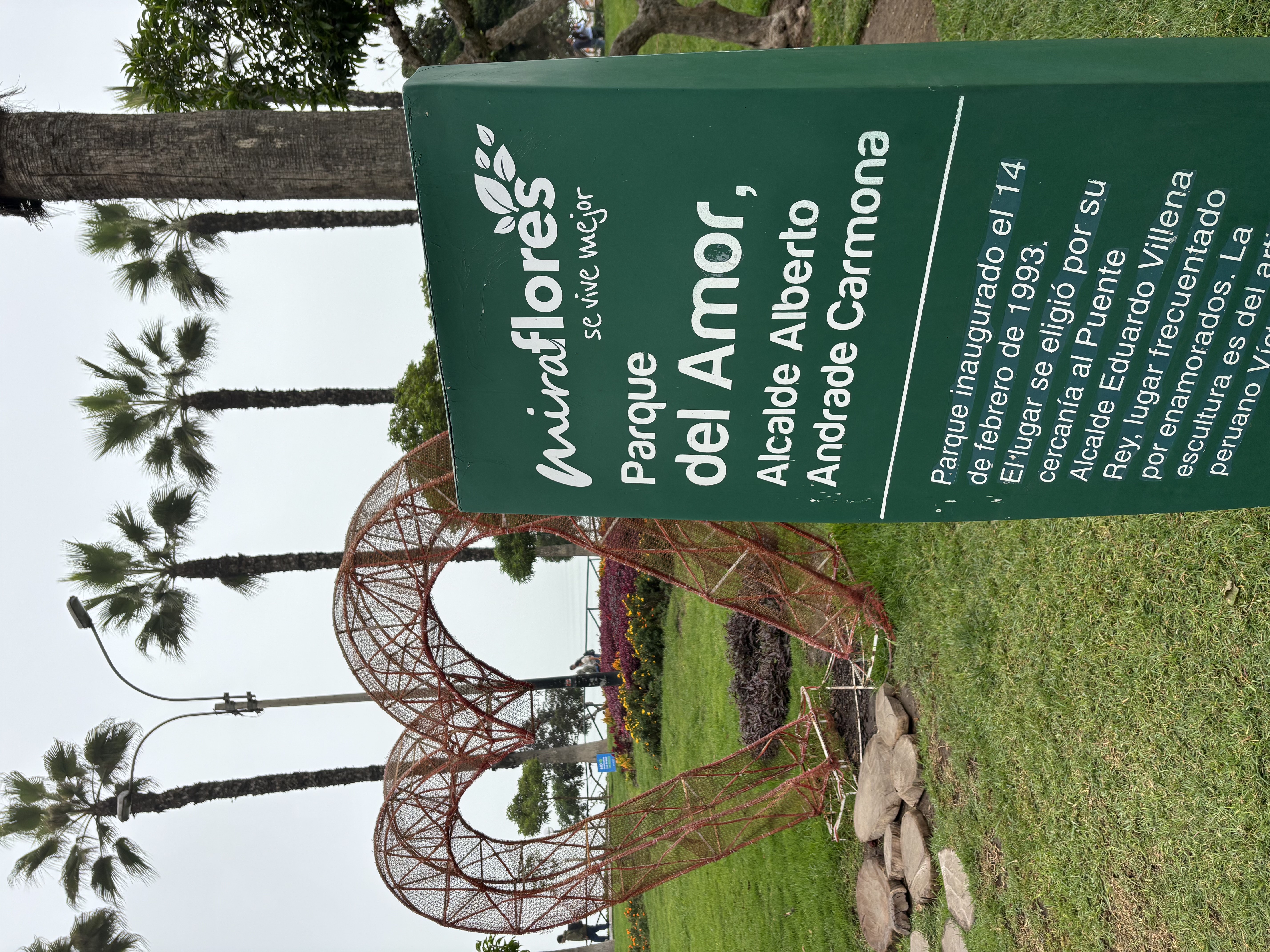
Parque del Amor, or Love Park, features walls intricately decorated with mosaic tiles, colorful plants, and “El Beso,” or “The Kiss,” a hulking stone statue of lovers embracing. Closest to the sidewalk, you find “Love Park” written out by flower beds, in the same style as Philadelphia’s own. Most of our audience has likely seen the famous artwork that caused John F. Kennedy Plaza to become known as Love Park in Philadelphia: the iconic Love Statue, bright red with its uniquely tilted “O.”
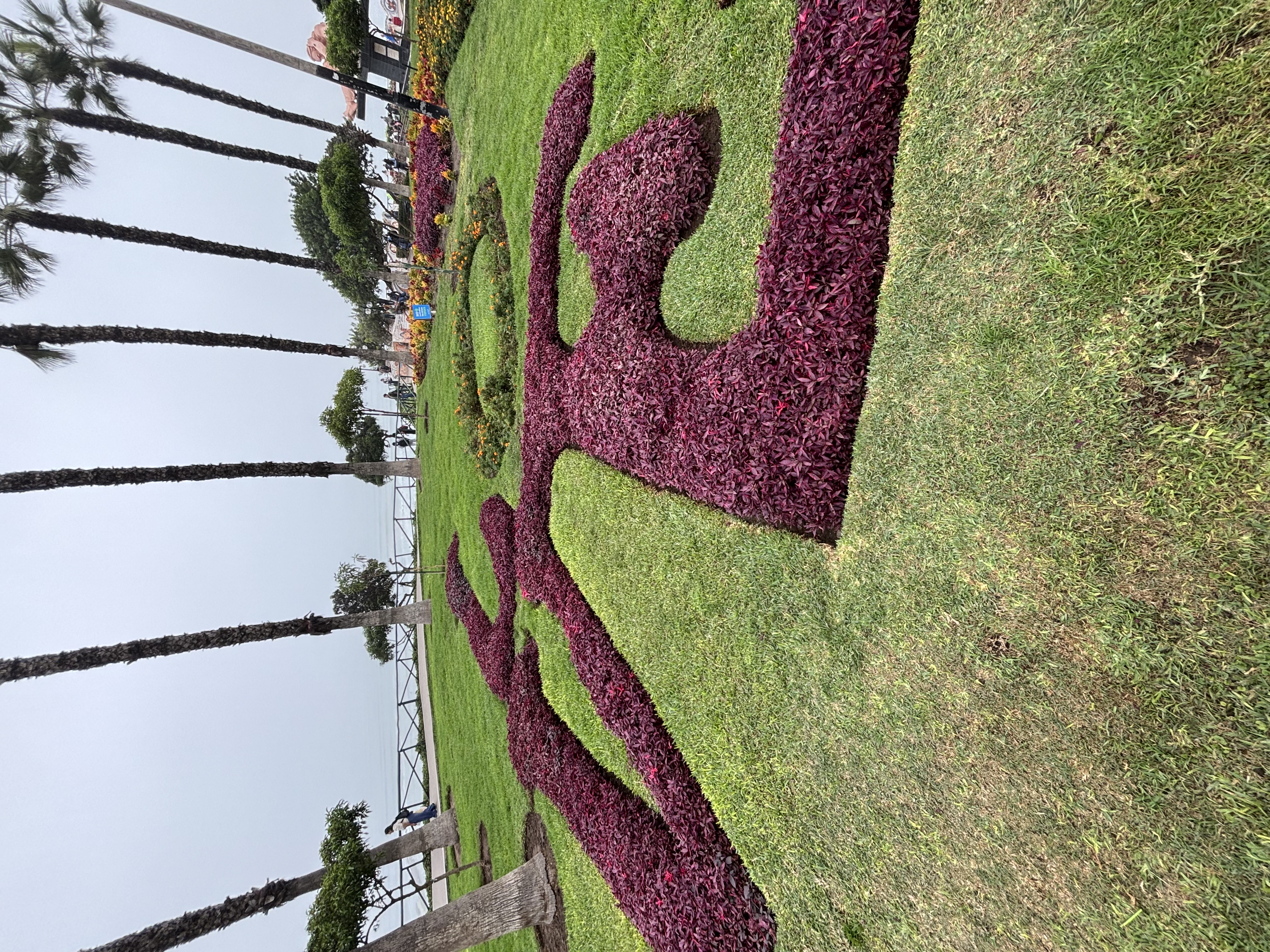
It is surprising to find this representation of Philadelphia here, as Miraflores is not a sister city, but it is undeniably a call to Philadelphia’s cultural influence around the world, and a chance to see a reminder of home so far away.
Parque del Amor is a true testament to love. It opened on Valentine’s Day in 1993, symbolizing love in all forms and celebrating it in many ways, even by hosting longest kiss competitions in years past. The City of Brotherly Love certainly shares in the sentiment of acknowledging the importance of love, whether that be loving others or loving a city, art, and culture.
The City of Cuzco
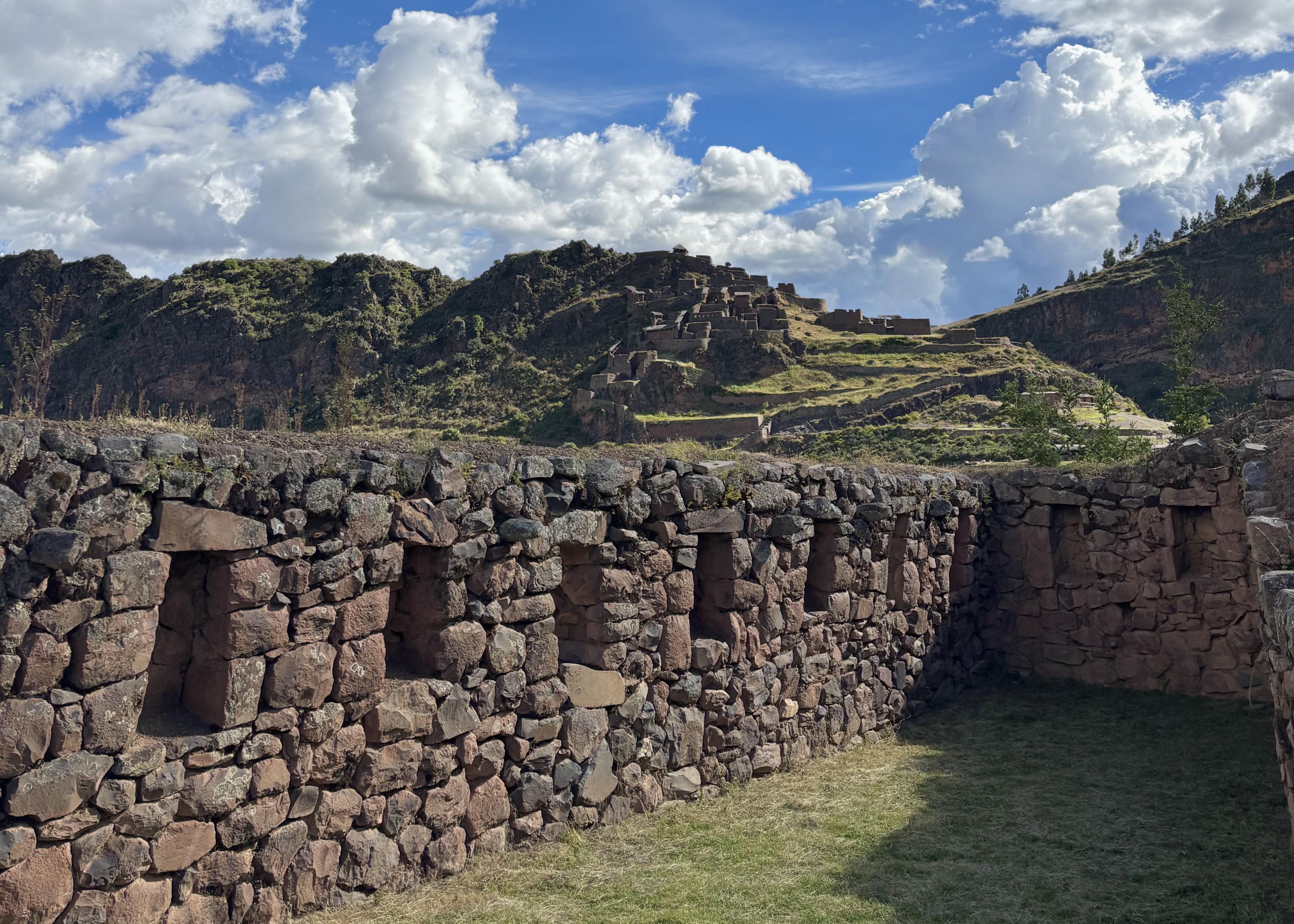
Visiting Cuzco Peru provided astounding opportunities to witness South American heritage, explore more ancient ruins, and experience the beautiful natural sites. UNESCO designated The City of Cuzco as a World Heritage Site the same year that Macchu Picchu earned this designation. It is said to be the oldest continuously inhabited city in the Americas and its structures are built upon or incorporate original Inca stone.
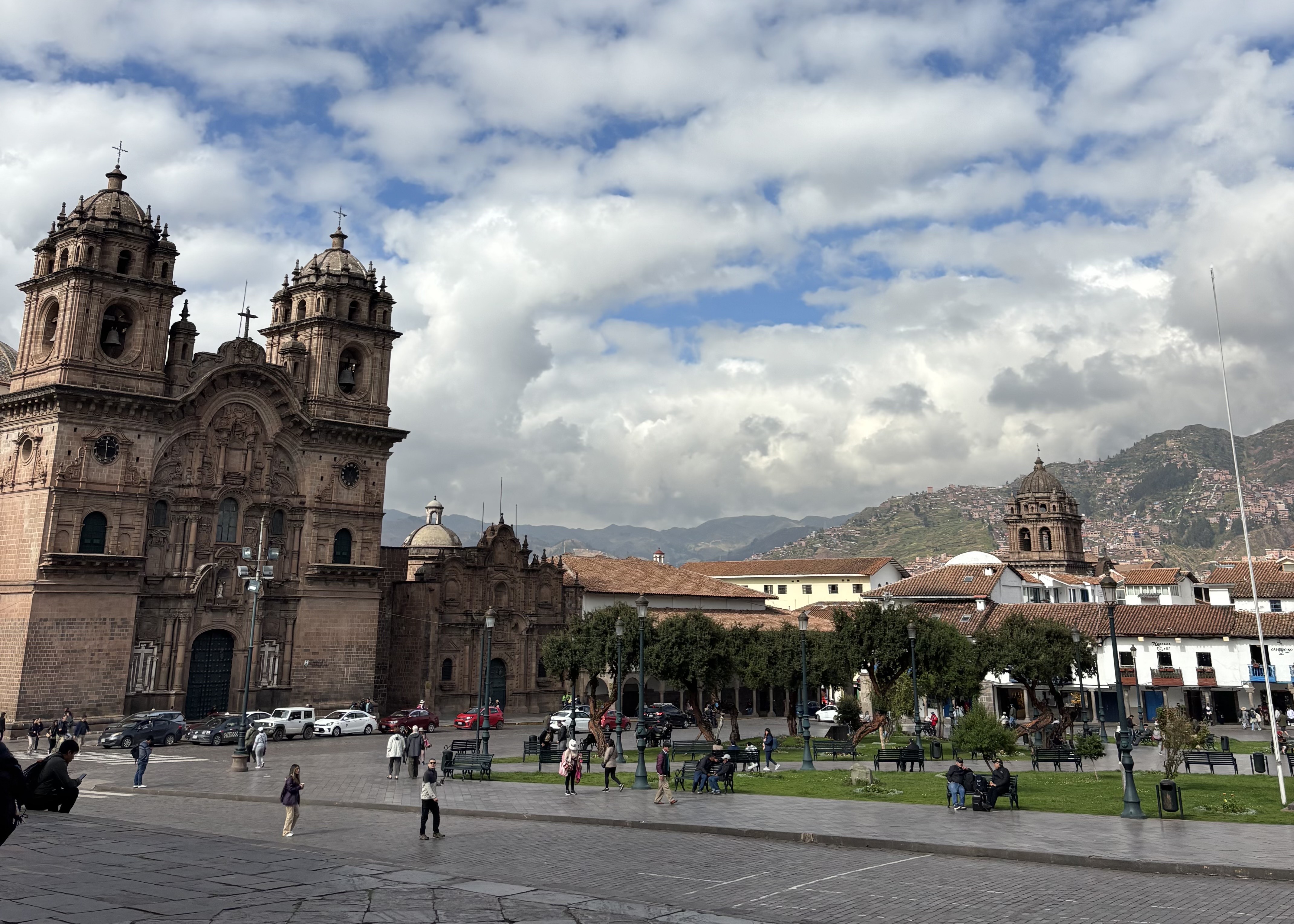
The city center is bustling as people live their lives alongside ancient history, with direct access to ruins just outside the city as well. The architecture reflects the city’s roots and culture, with museums and cathedrals mixed amongst restaurants and shops.
Peru has 13 total World Heritage Sites, including the Historic Centre of Lima, Huascarán National Park, and the Chan Chan Archaeological Zone. The Peruvian inscriptions on the World Heritage List merge environmental and historical preservation, and all are sure to provide fulfilling travel experiences.