From Hospital to Museum: Pennsylvania Hospital Marks 275 Years of Medical History


In a city known for its historic firsts, Philadelphia’s Pennsylvania Hospital is entering a new phase. Founded in 1751 as the first public hospital in the United States, it will mark its 275th anniversary this May by opening a museum inside its original Pine Building. The launch aligns with Philadelphia’s preparations for the semiquincentennial celebrations and offers a new way to experience the history of medicine in the United States.
The hospital was established by Benjamin Franklin and Dr. Thomas Bond with the goal of providing care to those who could not afford it. At the time, most medical treatment took place in private homes, so the idea of a public hospital represented a major shift. Over time, Pennsylvania Hospital became a model for organized care, medical training, and public health in the early United States.
The building itself reflects this long history. Construction took place over several decades, beginning in the mid-eighteenth century. The original east wing introduced a structured approach to patient care, with separate spaces based on medical needs. It also included some of the earliest dedicated facilities for mental health treatment. Later additions expanded the hospital and introduced more refined architectural elements, showing how both medicine and design evolved together.
One of the most notable spaces is the surgical amphitheater on the top floor. Designed to use natural light, it once hosted operations that could be observed by students and members of the public. This reflected an early emphasis on openness in clinical practice and medical education, which remains as one of Philadelphia’s most exceptional industries today.
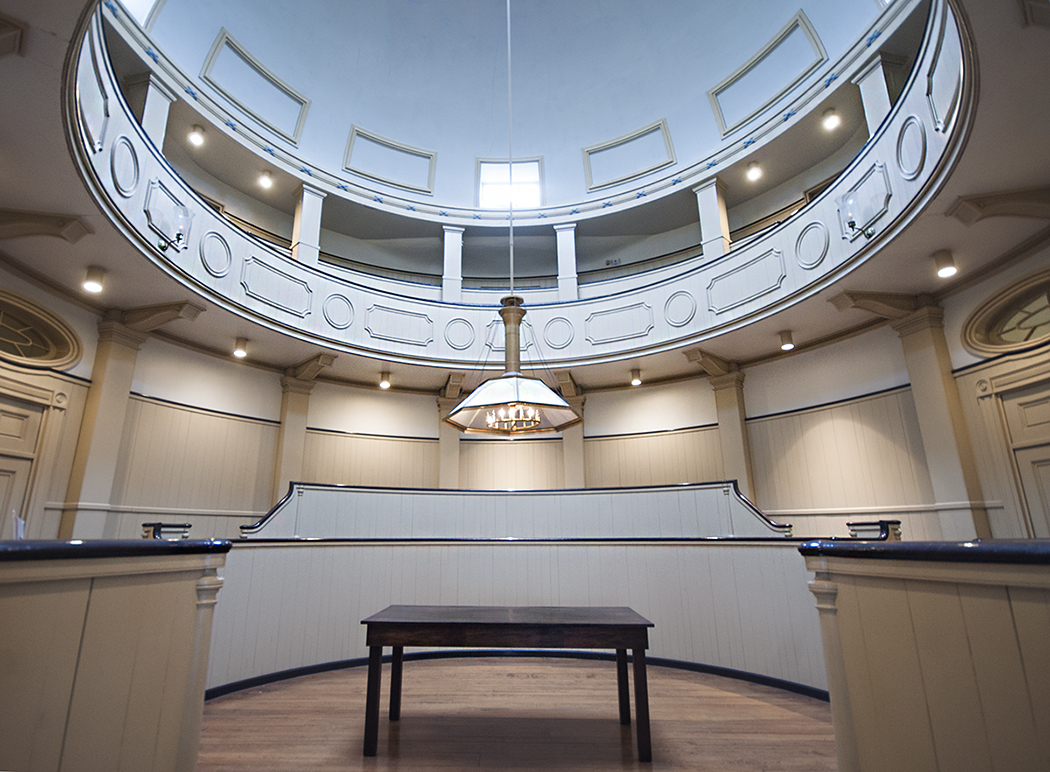
https://hiddencityphila.org/2016/04/inside-pennsylvania-hospitals-little-seen-original-building/
The new museum builds on these spaces rather than replacing them. Visitors will be able to walk through preserved rooms such as the historic library and a reconstructed apothecary, while also engaging with interactive exhibits. These galleries trace how treatment methods have developed, from early plant-based remedies to advanced technologies used in medicine today.
The museum also places the hospital within a broader historical context. Pennsylvania Hospital treated soldiers during the American Revolution and responded to major public health crises over the centuries. Its role has continued into the present, as part of Penn Medicine, where it remains involved in research and patient care.
Each section of the museum connects a specific area of medicine to both its origins and its current applications. Topics such as mental health, women’s health, and pharmaceuticals are presented as ongoing fields of innovation rather than closed chapters in history. This approach highlights continuity rather than contrast between past and present.
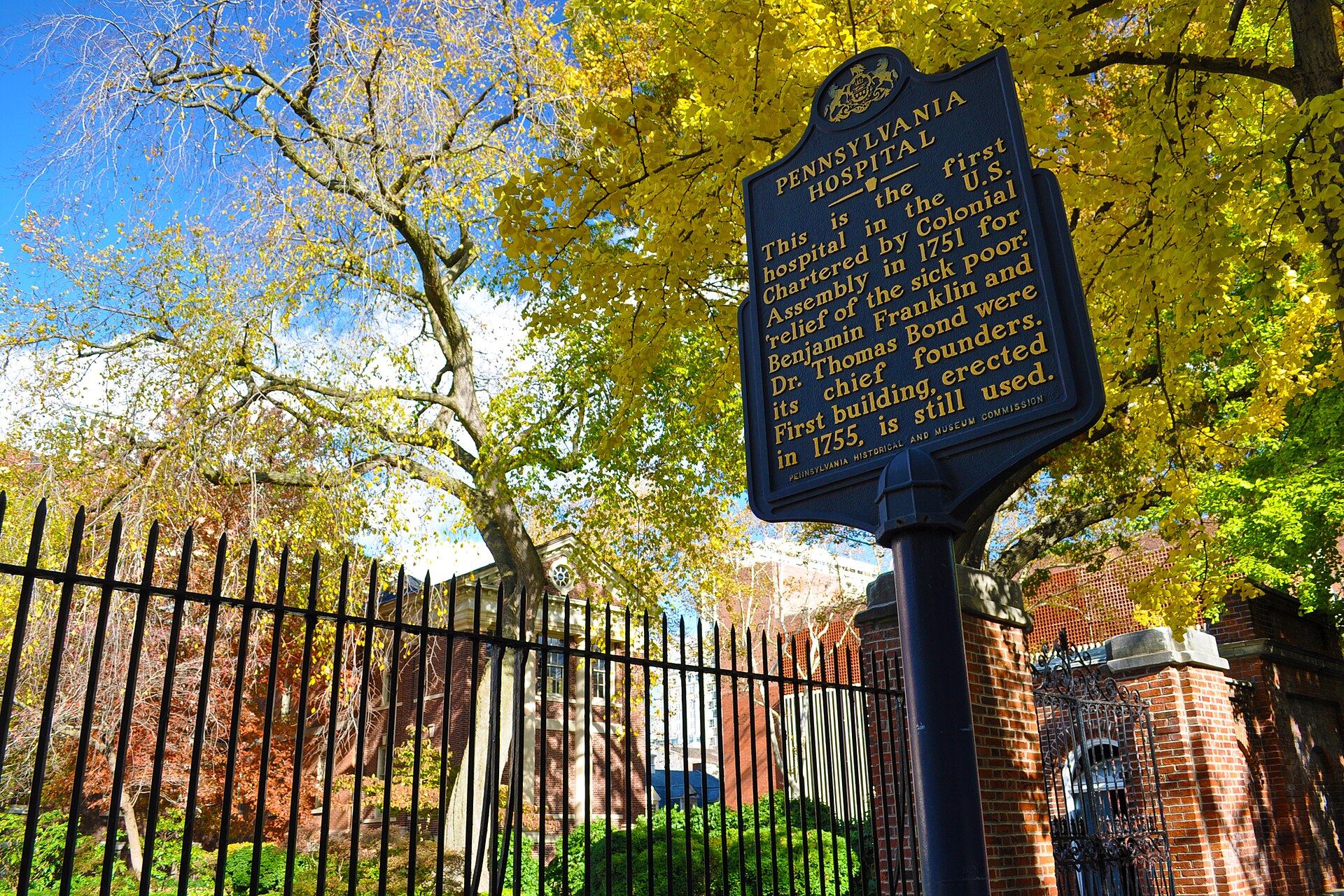
Located on Pine Street, the hospital once stood on the edge of the city. Today it is surrounded by a dense urban environment and sits within Philadelphia’s broader network of cultural and historical sites. Its transformation into a museum reflects a wider effort to make historic institutions more accessible to the public, especially as the city is expected to receive more visitors in 2026.
Tickets are expected to be available this spring, with the museum opening in May. As the anniversary approaches, the project brings attention not only to the hospital’s past, but also to its continued role in shaping the future of healthcare.
Source: https://www.pennmedicine.org/news/americas-oldest-hospital-becomes-philadelphias-newest-museum


