A Global Conversation with William Valerio, Ph.D.



In the Chestnut Hill neighborhood, Woodmere showcases incredible works of art from floor to ceiling, inside and out. From the impressionist paintings to outdoor metal sculptures, each piece was created by an artist from Philadelphia, making Woodmere the prime exemplar of Philadelphia’s cultural heritage. Though always culturally significant, Woodmere’s role as a Philadelphian institution has grown substantially thanks to the leadership of William Valerio, this year’s Heritage & Preservation Leadership Globy Awardee.
Appointed as the Patricia Van Burgh Allison Director & CEO of Woodmere in 2010, William Valerio has championed new initiatives at the museum that have engaged the public, expanded visibility, and brought history into the present. Woodmere’s programming is more robust than ever, and last year, the museum opened its second location at Frances M. Maguire Hall.
Global Philadelphia Association is proud to recognize William Valerio for his impactful work that has raised the local, national, and international profile of Philadelphia art. Hear from William Valerio in this Global Conversation as he describes the role that Woodmere plays in its communities and the strength of the arts in Philadelphia.
Before your time at Woodmere, you were on the executive team at the Philadelphia Museum of Art. What motivated your shift to Woodmere?
My job at the Philadelphia Museum of Art involved administrative duties across the institution as well as government affairs. A group of Woodmere’s trustees, who were also part of the family at
the PMA reached out to me and described that they were looking for an executive director but hadn’t yet found anybody that they thought was right for it. They wanted to turn Woodmere around and they needed somebody who would be able to see the potential and build a vision that would bring together the collection, the historic buildings, and community in the broadest sense.
My first introduction to Woodmere was when I visited an exhibition, In Search of Missing Masters, a show about the collection of Lewis Tanner Moore, an important collector of African American artists of Philadelphia. I could see that the museum had a beautiful campus, important collections, and the ability to do pivotal exhibitions.
When they presented the opportunity to me, I was attracted to it because I saw the important role that Woodmere played in the city of Philadelphia. Woodmere is focused on the art and artists of Philadelphia, so it had the potential to represent the city's own creative achievements and make Philadelphia a better place for artists to live.
Also, Woodmere being a small museum was appealing to me. Everyone that works here wears many hats. Today, as Director, I also do curatorial work, educational work, and sometimes I'm pulling weeds. I’m able to embrace a much larger breadth of activities, and that was right for me. So, I started at Woodmere in 2010 and have been enjoying it ever since.
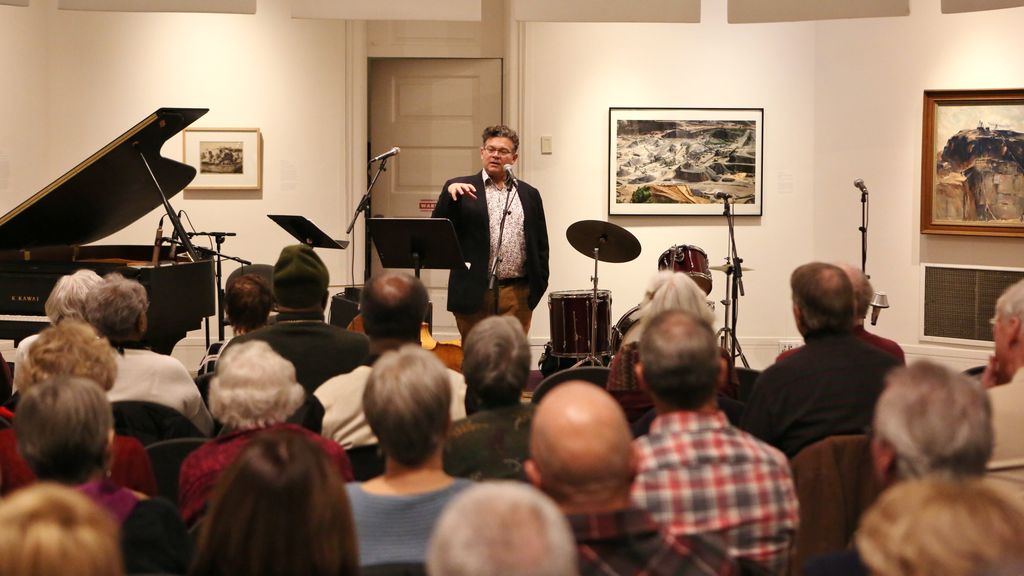
The museum exhibits historical collections and pieces. What does it mean to you to preserve the history of so many works of art and the artists that created them?
Woodmere was founded by a man named Charles Knox Smith, who bought an existing estate in the 1890s. At that time, the terrain of art and culture in Philadelphia was quite different. The Philadelphia Museum of Art, previously in Memorial Hall and under a different name, was dedicated to the applied arts. The Pennsylvania Academy of Fine Arts (PAFA) was an arts academy that had annual exhibitions, but it wasn’t a museum. Charles Knox Smith was a city industrialist, who made his fortune in the mining industry, and a great art collector. He decided to build a museum for his collection, and that was something new in Philadelphia.
Charles Knox Smith was a man of his times. He was a self-made man of great wealth who started as a messenger boy and eventually built a successful mining business; these were primarily silver mines in Mexico. Art was his passion, and he believed that art and nature together created a path to godliness and spiritual peace. He wanted his gift to the people of Philadelphia to be a sense of pride in the art that came from their own communities, and that is what Woodmere was to this day. Our obligation is to carry that forward.
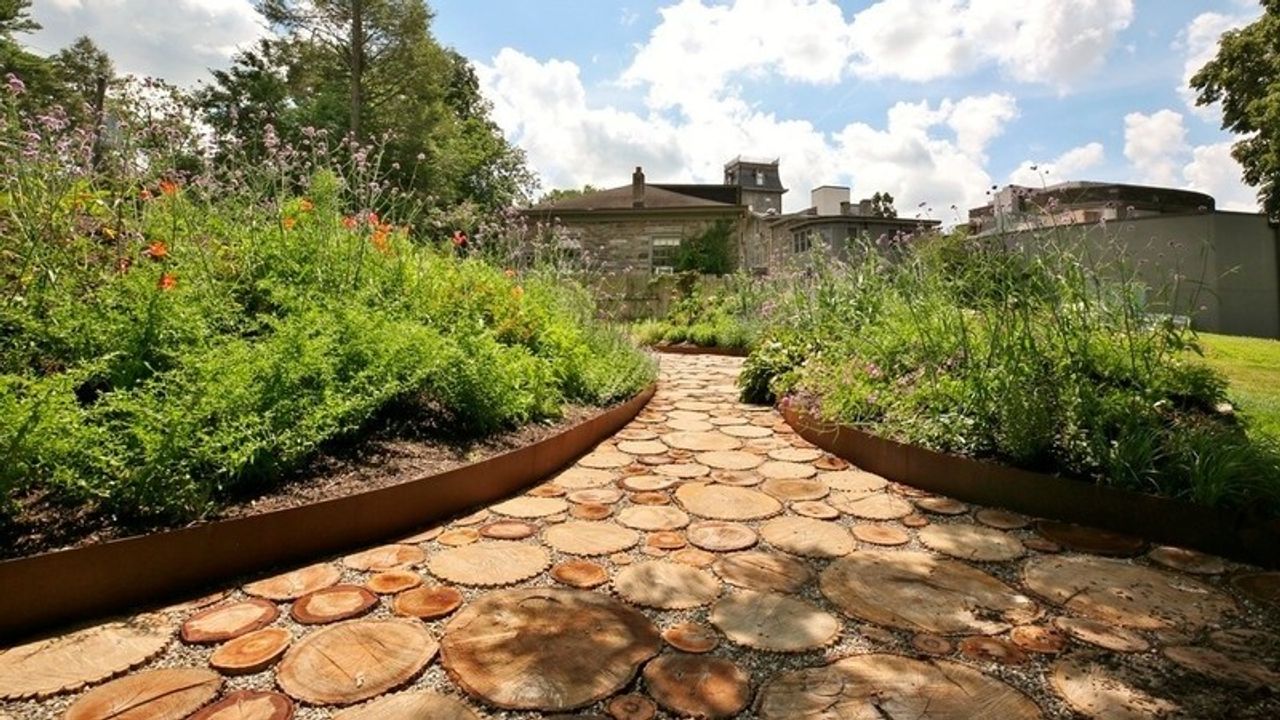
I believe Smith chose to found Woodmere in Chestnut Hill—which was in the countryside at the time—as a way to connect art and nature. Our job is to interpret that in today's terms. Smith climbed the tower of Woodmere in order to look out across the landscape and enjoy the views of Forbidden Drive, the Wissahickon, the Morris Arboretum, and up to the great ridge of Whitemarsh. We still love those views, but nowadays, we're more hands on with nature. People enjoy volunteering in gardens, planting, weeding, and getting their hands dirty and encountering interesting works of outdoor sculpture that might make them understand nature in new ways.
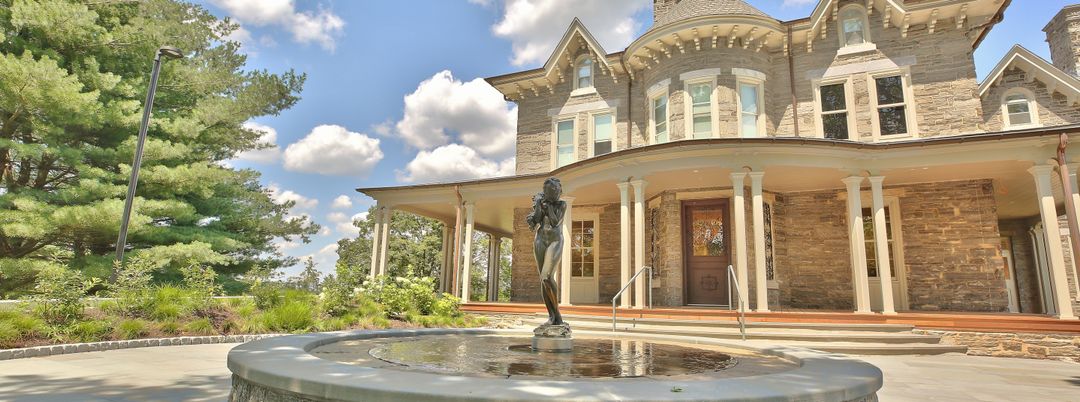
Of course, it is also serious work to preserve our campus. We continue to invest in Woodmere's buildings and grounds to keep them functioning, according to today’s standards of public access and safety, but also to make them beautiful and special. We want to uplift the spirit of those who come to visit us so that they can have a positive experience with the ideas and emotions of the art. Unlike having a work of art at home, museums create a community space for art–a shared social experience with art at its foundation. The building, the grounds, and the collection are the fundamental building blocks of that experience for people.
Woodmere’s Outdoor Wonder (WOW) merges historical artwork and landmarks with contemporary sustainable features, preserving the history, the art, and the environment. Why was including the natural world important in Woodmere’s mission?
A big part of my job is to listen to people. When I arrived at Woodmere in 2010, I spoke to a lot of people that were unsure of what Woodmere was. ‘Was it a historic house? Was it private? Was it public?’ A common perception is that it looks like The Addams Family house, which is not the wrong association because Charles Adams, who created The Addams Family, went to school here in Philadelphia, and Woodmere was actually one of his models for the Addams family’s house. But the message was that there were many people who didn't know that Woodmere was a place for experiences with art.
In 2015, we launched a strategic plan that aimed to get Woodmere out of its walls and across our grounds so that anybody driving by could more easily recognize us as a museum. We identified outdoor sculptures and other works of art in Philadelphia that needed homes so that we could bring them to Woodmere's grounds. Now, we have pieces of art embedded in nature in a beautiful way that also meet people where they are.
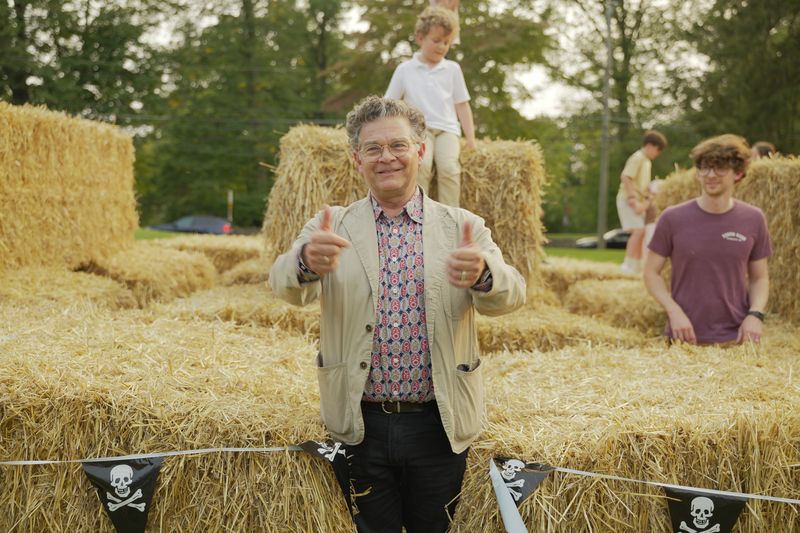
I was also able to introduce Woodmere's straw maze on our front lawn in the fall season. It’s up right now and we have had thousands of kids and families enjoying it every season. The idea behind the straw maze is to animate the grounds and to show that Woodmere is a friendly place–it creates a different impression of the institution.
Frances M. Maguire Hall for Art and Education is celebrating its one year anniversary. How rewarding was the opening and how would you describe its first year in operation?
It has been amazing. On November 1st, we celebrated with a circus performance, Jazz, balloons, art projects, soft pretzels, and Mister Softie. We made a giant birthday cake for Maguire Hall. Members of the Maguire Family were in attendance, and the party was very gratifying.
For a long time, a strategic need of Woodmere was to get its collection on view. We have galleries at Smith Hall, our original building, for Charles Knox Smith's collection of 19th century art. Those paintings have been on view and in the same galleries forever, and people love those paintings, so it would just feel wrong to change that. We use other spaces for temporary exhibitions in order to keep up the activity and interest levels. So, we didn't have space to show Woodmere’s collection, which is one of the great collections of American art in the nation, and that’s because Philadelphia has made such extraordinary contributions to the history of American art.
For example, American impressionism is a big part of our collection, and so many people love it for all the right reasons. It's beautiful, it features nature, it's painterly, and it showcases the virtuosity of artists in working with color and light in unique ways. Philadelphia's impressionism is powerful and strong, and now we have a gallery for showing it. Maguire Hall is giving Woodmere's collection a place to shine, which is lifting us up as a museum across the local community, the Philadelphia region, and across the country.
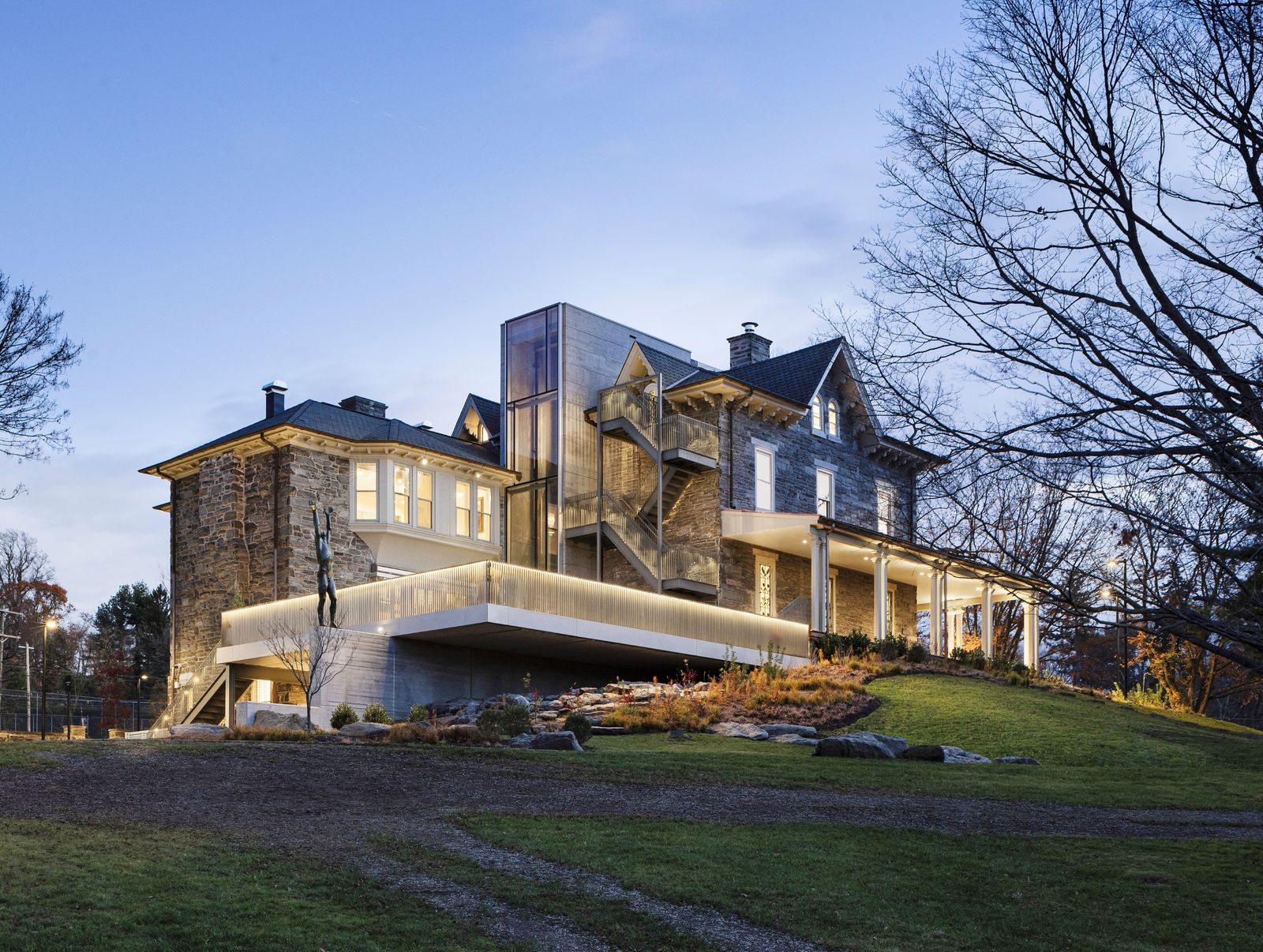
There's also a preservation component because Maguire Hall is one of the great historic homes of Philadelphia. It was a great achievement to preserve the building, which is a Victorian mansion of Wissahickon schist stone, as well as the four acres of open green space. Chestnut Hill is right in the middle of the Wissahickon watershed, which provides twenty percent of the drinking water to the city of Philadelphia. Preserving those four green acres, right at the center of the watershed, is itself significant in addition to the historical and arts initiatives.
Can you tell us about the local nonprofits you work closest with, whether through Woodmere or as a board member?
There are many communities that Woodmere is part of. There is the national community of art museums that were founded by particularly passionate or eccentric art collectors of the 19th century, like The Isabella Stewart Gardner museum in Boston, for example. But there are many, many more museums like Woodmere across the country that exist on the basis of a founder's vision and a founder with a strong personality. I'm always speaking with friends and colleagues in those kinds of museums because we're all looking at history and interpreting that history in terms of what makes sense in the world today.
Then, within Philadelphia, we collaborate with the other art museums but also institutions like Wagner Free Institute and The Free Library of Philadelphia to name a few. Woodmere is part of a very strong network of organizations in Philadelphia that serve the city and enjoy a unique collaborative relationship. I used to work in New York. And I can tell you that New York, while competitive in all aspects of business, is competitive on the not-for-profit level. Here in Philadelphia, the brotherly love, sisterly affection, and Quaker spirit of respect and partnership really means something.
Closer to home in Chestnut Hill itself, I'm on the board of the Chestnut Hill Business Association, where we do projects with Chestnut Hill Hospital, the Morris Arboretum, the public schools, the parochial schools, and the private schools in Northwest Philadelphia.

You are earning the Heritage & Preservation Leadership Globy Award for your work preserving culture, history, and community. Having led Woodmere since 2010, what role is it important to recognize that Woodmere plays in the community and the greater region?
Art opens the mind. Art brings people together. Art provides the creative tools that people need. Art creates positive spirit and joy. When we ask people why they come to the museum, the number one answer is that people like to be surrounded by the beauty of art.
When we look to the future and the ongoing work of building public trust, museums have a critical role to play as community-building organizations, and I only see that becoming more powerful. In our galleries, we see every day that art is a platform that brings people together across differences and opens new pathways to creativity. Woodmere is committed to touching people’s lives with the intelligence and beauty of art, and I’m glad to play a part in that.
