A Global Conversation with Julie Hancher

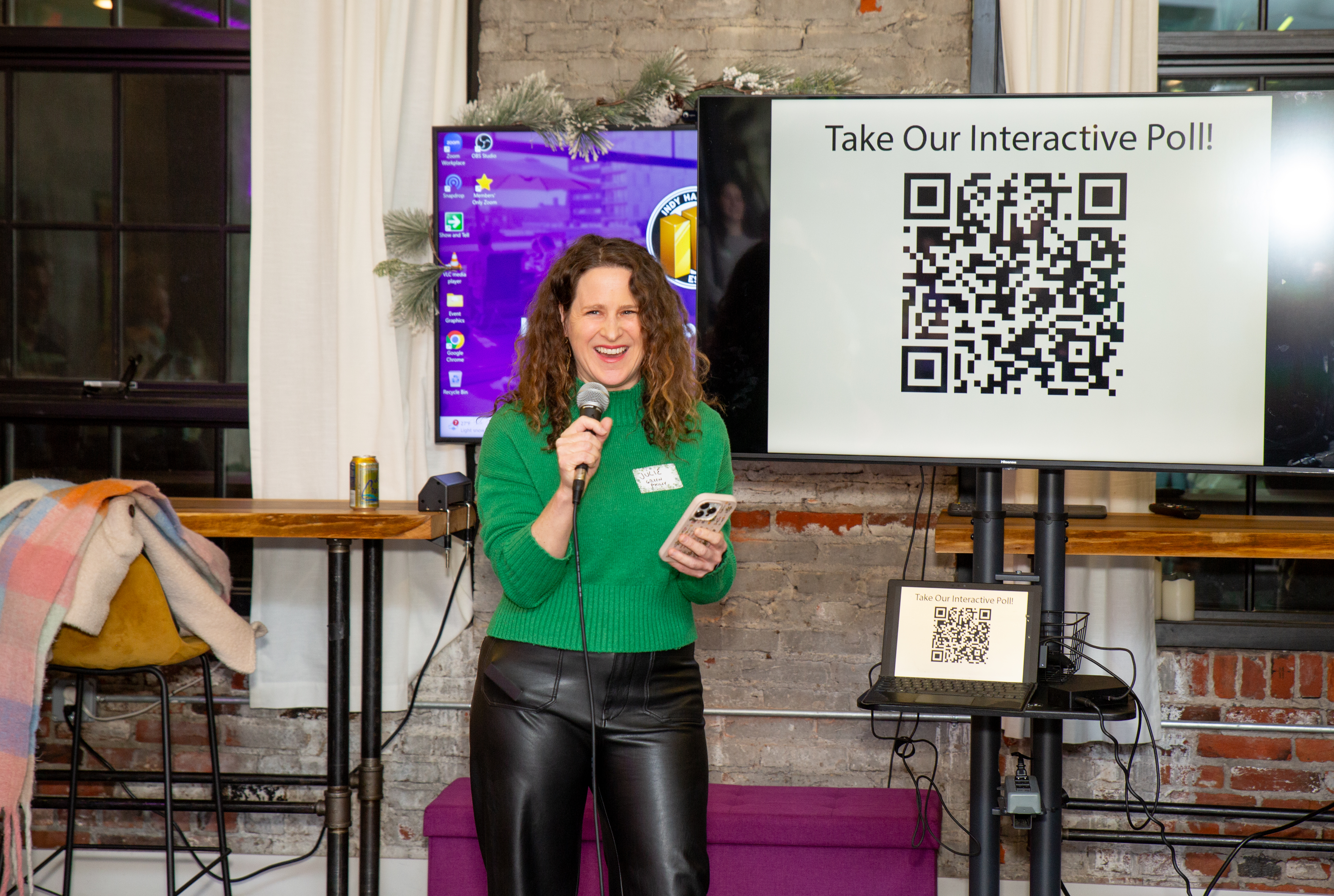
For Julie Hancher, a more sustainable Philadelphia starts with a conversation. Whether she is interviewing a neighborhood changemaker or bringing people together at an event, her work shows how local stories can inspire people to act.
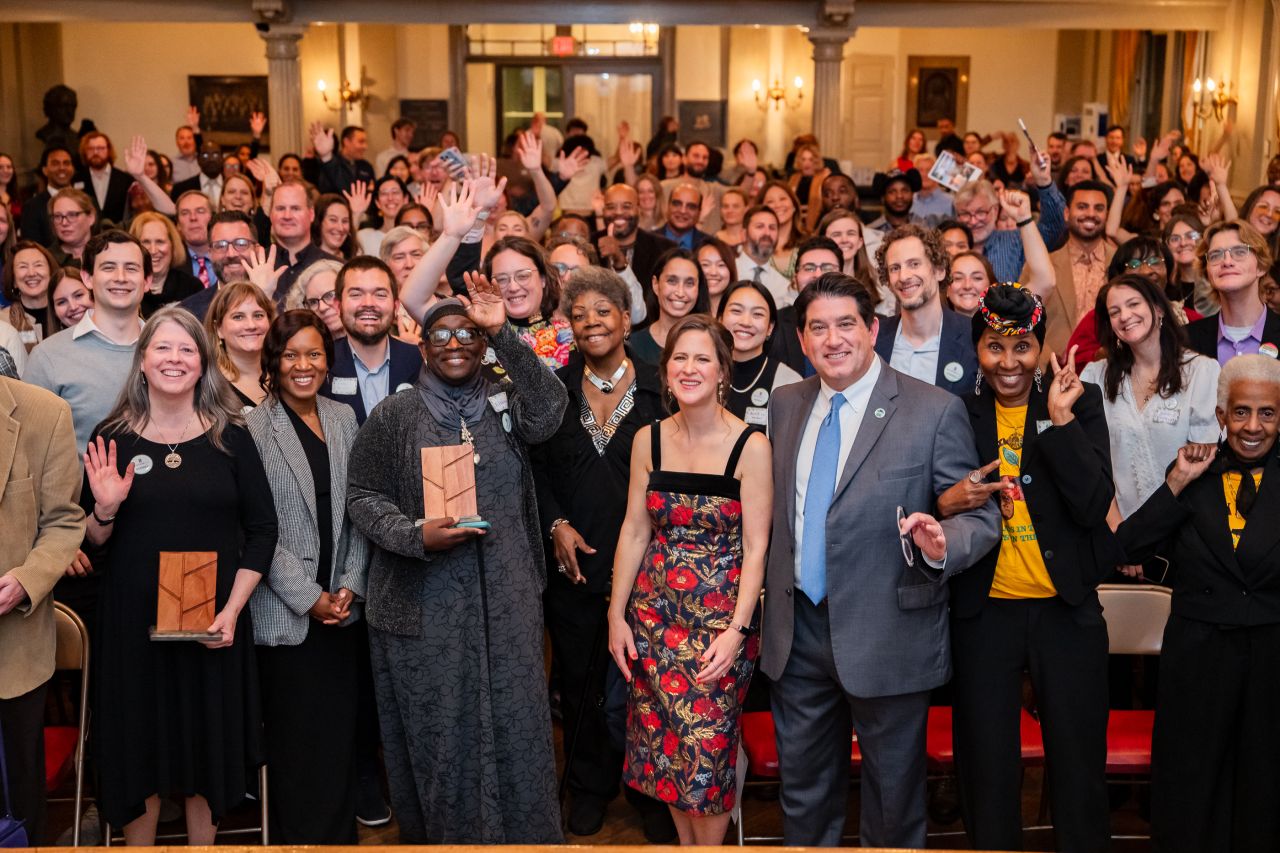
In 2008, Hancher co-founded Green Philly, the region’s leading news platform for sustainability, to promote local and accessible climate solutions. Today, the independent media organization reaches more than 120,000 people each month. In addition to publishing over 3,000 articles, Hancher has created opportunities to connect with Philly’s climate champions through SustainPHL, Philadelphia’s annual sustainability awards, and Green Philly’s EcoFair.
In recognition of her 18 years of advocacy, the Global Philadelphia Association is honoring Hancher with the 2026 Globy Award for Sustainable Development Leadership. In this Global Conversation, she discusses the power of local storytelling and why building a more sustainable future starts with meeting people where they are.
Jessica Siegel: What first sparked your interest in sustainability, and what was missing from Philadelphia’s media coverage that prompted you to start Green Philly?
Julie Hancher: In 2008, Al Gore’s An Inconvenient Truth had come out, and I was in my first job after college. My employer (at the time) was taking our recycling and throwing it into the trash. This was “Recyclegate 2008,” and it was when I realized that sustainability should be easy, accessible, and fun.
I also noticed that people weren’t talking with each other about sustainability. With Green Philly, we wanted to close that communication gap, highlight people doing sustainability work, inspire others with practical information to get involved, and connect people to build a stronger community.
Green Philly started as a passion project. I was simply curious and wanted to learn more. I’m fortunate to have spent the past 18 years turning my passion into a career and covering sustainability at the local level through journalism. Those initial problems we were trying to solve then are still central to our mission today.
Your mission has stayed the same, but how has your approach to sustainability evolved since 2008?
The field of sustainability has evolved, and there are more ways to make sustainable choices, from EVs to local refilleries. But the easiest way to get started is to focus on what interests you and the changes you can make. You don’t have to completely change everything to be sustainable. Instead, sustainability starts with what you have, where you are, and the world around you. Through Green Philly, we encourage people to move forward rather than focus on the barriers.
Green Philly emphasizes making sustainability accessible, affordable, and actionable. How does that shape the stories you choose to cover, particularly when the “greener” choice isn’t as affordable or available to everyone?
There’s a big misconception that sustainability is an elite, expensive thing, or something accessible only to certain people. But it comes back to meeting people where they are. I remember someone telling me about their grandmother who immigrated from Asia, and she reused every plastic bag she had. That’s sustainability, too.
Sometimes, marketing in the U.S. makes it seem as if sustainability has to look a certain way. Instead of buying new things, you can reuse the glass jars you already have or share things with your neighbors and build community at the same time. My husband, for example, is a member of the West Philly Tool Library. Tool libraries are a great way to share resources while meeting your neighbors, and some offer workshops where you can learn new skills. I think ideas like this should exist in every neighborhood.
At Green Philly, we help people see that sustainability has multiple benefits. There’s the bigger picture of protecting the earth and nature, but on a personal level, you can build community, save money, and save time. People start to see the changes they can make, not by spending money on things they feel they need to buy, but by getting creative with what they already have. To me, that’s much more meaningful than trying to match a version of sustainability created by companies.
Through the EcoFair and SustainPHL, you bring together people to advance sustainable development. Can you share an example of a collaboration that grew out of one of those gatherings?
Creating opportunities across sectors for people to participate and collaborate is such an important part of sustainability. Those connections can bring together neighbors, nonprofits, universities, companies, and government, helping people stay motivated and excited. People who have attended SustainPHL and EcoFair have found jobs, received funding, collaborated, and discovered new volunteer opportunities. At one of our events, two food-rescue organizations started talking, realized they were facing the same problem, and decided to work together on a solution.
We’re stronger together, and that’s central to how we approach our work at Green Philly. Some of the most meaningful feedback comes from people who joined Green Philly to connect with others and then made progress toward a goal.
What is one sustainability effort in Philadelphia or the surrounding region that you think deserves wider attention? And what important issue is still being overlooked?
Climate change can feel overwhelming and leave you wondering whether one person can make a difference. We hear incredible stories about entrepreneurs who build something huge or organizations that rescue millions of pounds of food. That’s wonderful, but small changes matter, too. That’s why, when we at Green Philly think about the stories we want to tell, we start by asking: Who is making positive changes, and what can we learn from them?
One example that comes to mind is a woman who was frustrated when someone had left four discarded tires outside her house. Litter and trash are such persistent problems in Philadelphia, but she decided to do something creative. She cleaned the tires, collected leftover paint from neighbors, and found local soil and plants. Then, she painted the tires and turned them into planters for a nearby playground. She literally turned trash into treasure. It’s a small example, but it opens up a much bigger conversation about what sustainability can look like in our everyday lives. We need these little ripples alongside the huge waves.
There are so many other examples here in Philadelphia. We just held our ninth annual SustainPHL awards in October 2026, and reading the nominations to learn about hundreds of changemakers is one of my favorite things every year.
In journalism, there’s a sustainability story in every newsroom, whether you’re covering sports, neighborhoods, weather, or something else. You can think outside the box and connect sustainability to almost anything.
So, what can independent local media contribute to the climate conversation that national coverage often misses?
Local news has a real opportunity to not only connect the big picture of climate change to what’s happening right outside our doors, but to also show people what they can do about it. This past summer in Philadelphia, we experienced extreme heat so intense that it was hard to go outside, as well as a microburst, wildfire smoke from Canada, and flooding. Philadelphia neighbors are experiencing these things and talking about them. Local news can help connect the dots between climate change and what we are experiencing in our own neighborhoods.
It’s also an opportunity to highlight solutions. Philadelphia has programs that support green stormwater infrastructure, such as providing residents with rain barrels to help reduce flooding—an issue expected to become more frequent as climate change intensifies.
Building Green Philly has meant taking risks and adapting along the way. What has that experience taught you about leadership?
Journalism and sustainability both face significant challenges in 2026. Staying curious about Philadelphia and the world around me has helped guide Green Philly as we’ve adapted to changes. Earlier this year, for example, we worked with creators to help share information on social media, along with our social-first strategy. We also meet people where they are through our events.
Another lesson I’ve learned is to take risks, accept that I might fail, and learn from the experience. For me, it’s about continuing to look for solutions and to evolve rather than feeling defeated.
Is that how you stay optimistic about the future of the environment?
My favorite part of Green Philly is learning about the many people who work to make Philadelphia a greener city. Philadelphia is gritty, but it also has heart. It’s the City of Brotherly Love and Sisterly Affection. Hearing someone say, “I see this problem. I can make a change, and I can bring others along with me,” is so inspiring. It gives me hope. That’s what keeps me going and makes me want to stay in this fight.
As one person, I can’t stop global temperatures from rising. But I can take small actions and participate in civic life, contributing to larger changes. And while the numbers – like the UN’s recent announcement that the 1.5-degree climate target will be breached – can be frightening, it’s not time to give up. Every increment matters. We still have opportunities to limit global warming and make a difference.
Have you encountered an idea abroad that you would like to try here?
One of the things I love about traveling is seeing how other cities make sustainability part of everyday life. Last summer, I was in Copenhagen and I was struck by how common biodegradable packaging seemed to be, and how often I came across compost bins. I’ve also visited Mexico City in the past few months, where I saw an animal-shaped collection bin for plastic bottles. It made recycling feel fun rather than purely functional. There are so many creative ways to make sustainability interesting and accessible, and Philadelphia can learn from those examples.
What is Philly doing differently that could inspire other cities to act similarly?
Here in Philadelphia, our people and organizations are incredibly interesting and inspiring. Green City, Clean Waters is one program that stands out to me for bringing more nature-based solutions into the city. Philadelphia has made efforts to reduce energy use like converting 130,000 streetlights into LEDs. Solarize helps to lower the costs for residents to adopt solar energy, and home repairs can be free through the city weatherization programs, which also make homes more energy efficient. We can recognize that progress while continuing to learn from other places.
You’ve recognized other sustainability leaders through SustainPHL. What does receiving a Globy Award yourself mean to you, and what would you like this recognition to draw attention to beyond your own work?
I’m truly honored to receive the Globy Award for Sustainability Leadership from the Global Philadelphia Association, especially for work in journalism, a field that is essential to our daily lives and our understanding of the world around us. At the heart of good journalism is good storytelling. Knowing that our work is reaching people and making a difference in the local community is incredible, and it means a lot to have that work recognized.
I hope this recognition also encourages people to think about where their information comes from, and how they can support and advocate for local news. I’ve always been passionate about journalism and look forward to continuing that work while helping people work towards a more sustainable city.


