World Heritage Sites of The Gambia


As someone who was not born in her origin country, I find myself constantly learning, exploring and discovering new facts about The Gambia. Although small and underrepresented, it holds a great deal of history. The Gambia, located on the west coast of the continent, is the smallest country on mainland Africa. As it sits on the coast, it is commonly utilized as a trade hub for re-exports and transit by neighboring countries such as Mali and Guinea Bissau. The River Gambia, which runs through the entire country, is a major component to its history, as it is deeply intertwined with the capturing and export of Africans during slavery.
The Gambia is home to two UNESCO World Heritage Sites, Kunta Kinteh Island and the Stone Circles of Senegambia. Gaining the knowledge of these sites and their history brought about a whole new perspective of my country.
Kunta Kinteh Island
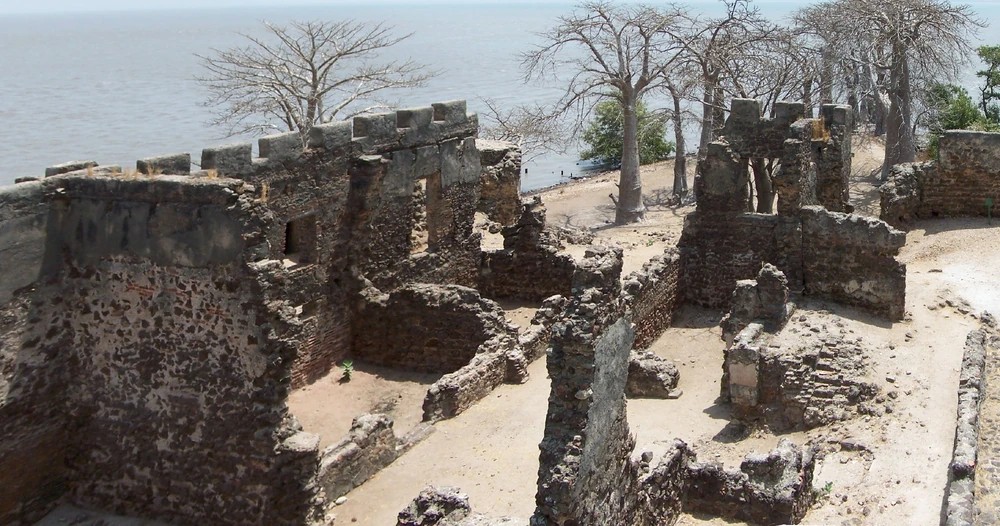
Designated a UNESCO site in 2003, Kunta Kinteh Island carries an important history. The Island is located along The River Gambia. Its location in the middle of the river allowed it to be a strategic place to control movement on the river, and it became one of the first contact points between Europe and Africa, used by Arabs and Phoenicians before the Portuguese arrived and acquired the land in 1456. This site played a major role in the process of slave trade, as it served as a key trading and holding site for enslaved Africans before their journey through the Atlantic Ocean.
The Roots


The site gained global recognition in the Pulitzer Prize winning novel written by Alex Haley called "Roots." The story is based on a 17 year old boy, named Kunta Kinteh, who was captured from The Gambia and enslaved in 1767. The Island, previously named James Island, was renamed after him in 2011.
Today, The Gambia hosts its biennial International Roots Festival, held to commemorate the millions of Africans that were enslaved. First launched in 1994, the event invites any Africans and anyone of African descent to participate and includes the roots tour, a trip to Kunta Kinteh Island. The island still presents the effects of its use, as the caves and prisons where slaves were imprisoned still stand, along with cannons in military attack positions.
Preservation
My mother recalls the schools arranging tours to the site when she was a child so that students could learn about the area firsthand. My father was one of the students who visited, and the experience stuck with him. Seeing the prisons and caves in real time made the history feel real in a way that storytelling couldn't, and gave him a small sense of the fear the enslaved people must have felt. Realizing how the slaves came to understand the end of their normal lives left the students with a strong feeling of sadness. This important tradition lives on today, as local schools still offer these tours to trace the history.
Stone Circles of Senegambia
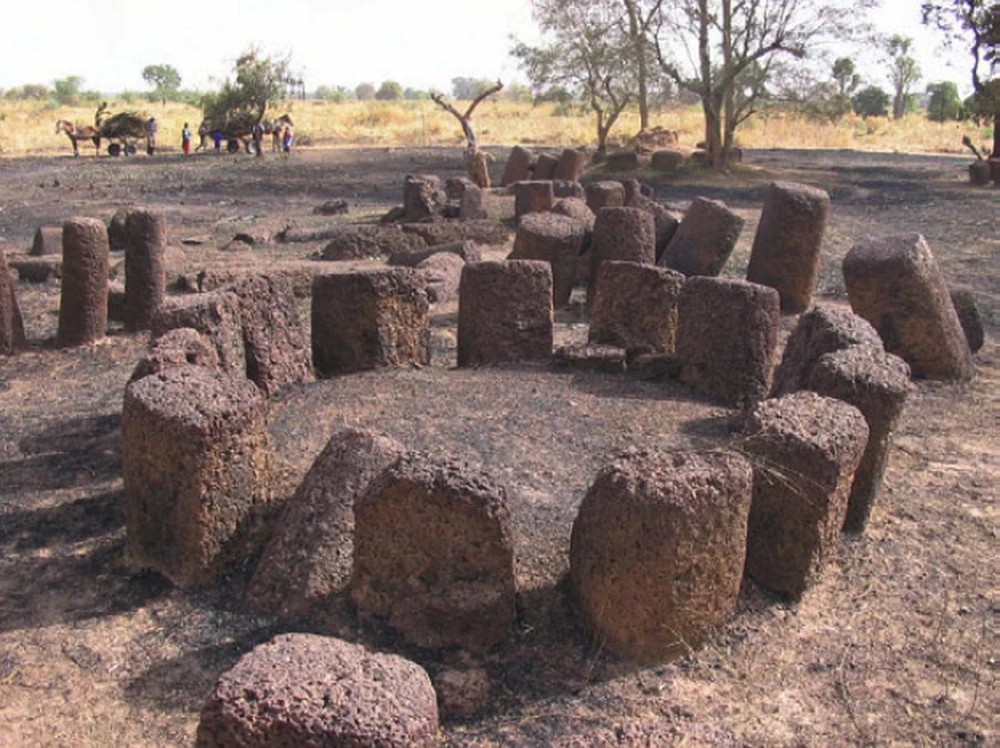
A UNESCO site designated in 2006, the Stone Circles of Senegambia stretch far beyond Kunta Kinteh Island's history, beginning in the 3rd century BCE. The site includes over 1,000 stone circles and burial mounds spread across four locations in The Gambia and Senegal: Wassu and Kerbatch in The Gambia, and Wanar and Sine Ngayene in Senegal. These stones sit along the River Gambia and were built over the course of more than 1,500 years. Made from carved stone pillars arranged in rings, the scale and consistency of the construction suggests the people who built them were organized enough to sustain the effort across many generations.
Unknown Purpose
The stones took real thought and labor to create, as they were hand carved from nearby quarries, transported, and placed into pre-dug pits over centuries. The exact purpose of the circles isn't fully known, but excavations suggest they were burial sites. Some contain single burials that resemble standard cemeteries, while others hold mass graves, and some evidence even points to people being buried alive, possibly as a form of sacrifice.
While the exact purpose and story of the stones remains a mystery, they still stand along the River Gambia and reflect both religious and architectural influence. According to UNESCO, today the sites are being preserved as Gambian and Senegalese authorities work to make them more visible and accessible to visitors, while also using tourism to support the local communities living around them. There's also ongoing research aimed at better understanding the circles, with the long-term goal of tying the sites more directly into national development plans.
Although I don't have a personal connection to this site, it still carries deep meaning as part of my country's history. The mystery the stones hold adds another layer to what I already know about The Gambia, and makes me appreciate just how much history it holds, both known and unknown. The site's preservation makes room for more exploration into its real purpose.
Together, both sites hold great meaning to The Gambia's history. As a current Philadelphian, living in a city that prides itself on preserving its history, I further see the importance of upkeeping these sites and allowing generations to learn about them, as preservation is not just about the past, but what the sites mean for the future.
Learning about Kunta Kinteh Island and the Stone Circles of Senegambia allowed me to connect with my country on a deeper level. Traveling continues to build my knowledge and open my eyes to the different cultural and historic stories of each place I visit. With the knowledge I gain, I can apply it to my daily life and encourage others to take the time to continue to learn as well.
First photo credit: https://d3vonci41uckcv.cloudfront.net/old-images/original/2a6a65e7-16f9…

Article Sources:
https://www.accessgambia.com/information/roots-festival.html
https://www.accessgambia.com/information/fort-james-island.html
https://footstepsinthegambia.com/news_all/kunta-kinteh-island-a-histori…
https://whc.unesco.org/en/list/761
https://whc.unesco.org/en/list/1226/
https://www.britannica.com/topic/megalith